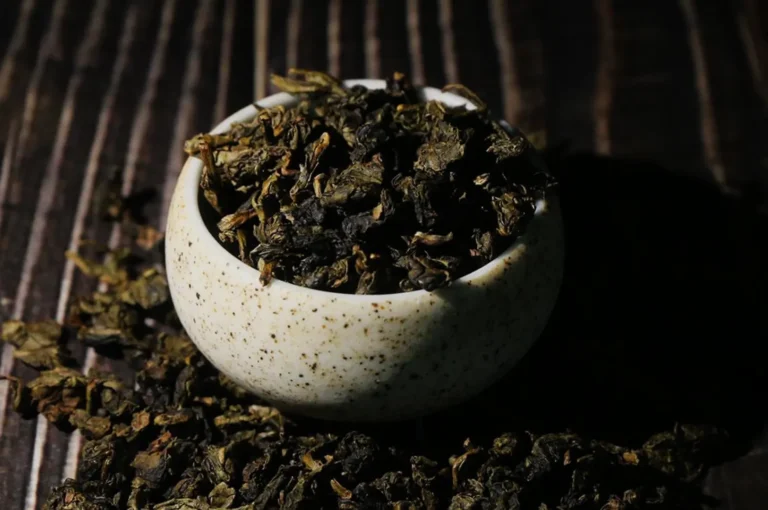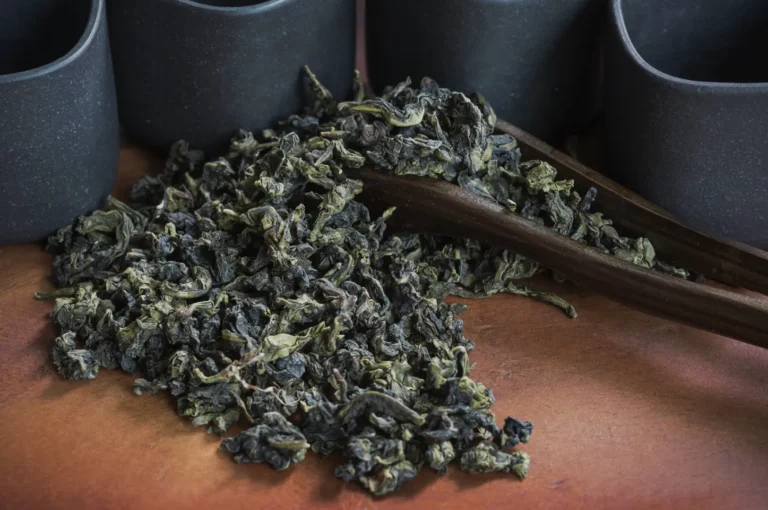
Tie Guan Yin tea rewards a careful hand.
It can be brewed simply, and beginners should not be made afraid of the leaf. But when prepared with attention, Iron Goddess oolong begins to show why it has remained one of China’s most loved teas.
The aroma opens. The texture rounds. The finish becomes clearer. A floral cup may soften into cream. A roasted cup may deepen into sweetness.
To brew Tie Guan Yin well is not to chase perfection. It is to give the tea enough space to change.
For readers who want the wider foundation, we have written a beginner’s guide Tie Guan Yin tea. This article focuses on the practical cup: vessel, water temperature, leaf ratio, rinsing, steeping, and multiple infusions.
Choose the Right Vessel
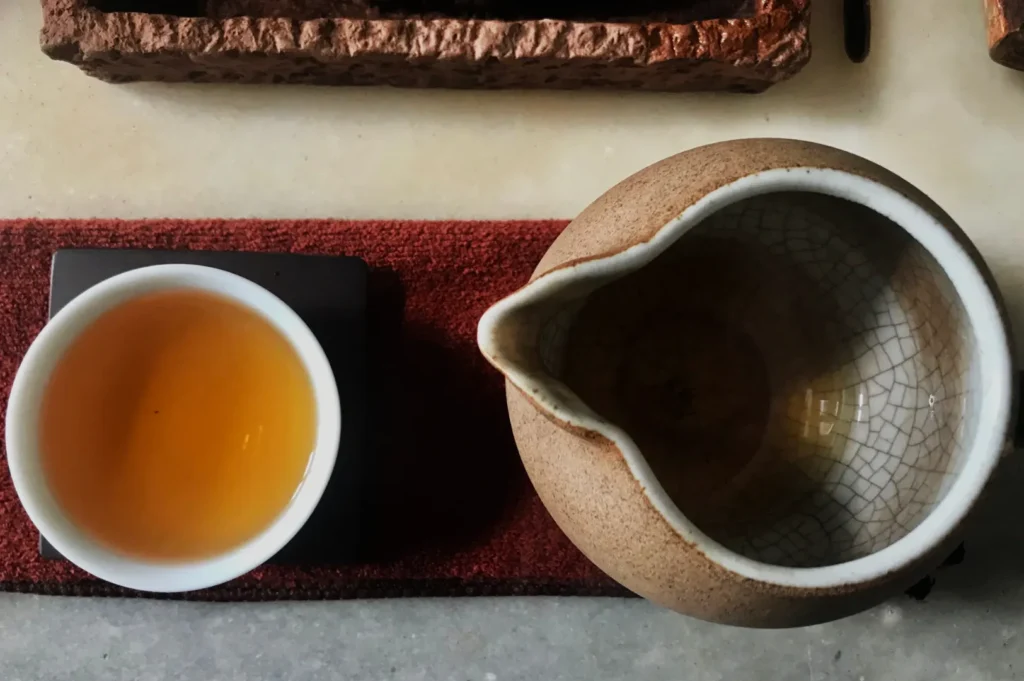
Tie Guan Yin can be brewed in a gaiwan, small teapot, or even a simple cup.
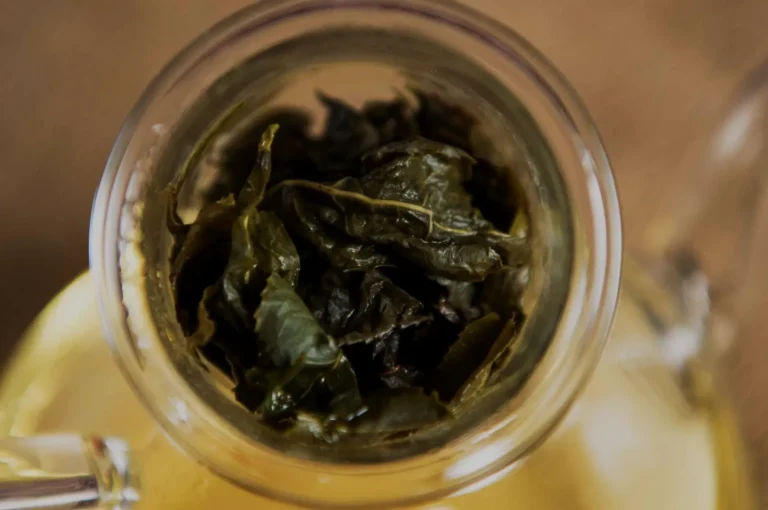
A gaiwan gives the most control. It lets the drinker smell the wet leaves, pour quickly, and adjust each infusion. This is useful for Tie Guan Yin because the tea changes across short steeps.
A small teapot can also work well, especially for roasted Tie Guan Yin. Porcelain keeps flavour clear. Clay may soften and deepen the cup, though it is better used when you already understand the tea.
A mug is acceptable for daily drinking. It may not show every layer, but tea does not need ceremony every day to be sincere.
The Rare Tea Company guide to making oolong with a gaiwan explains that gaiwan brewing suits oolong because it allows multiple infusions with a higher leaf-to-water ratio.
How Much Leaf to Use
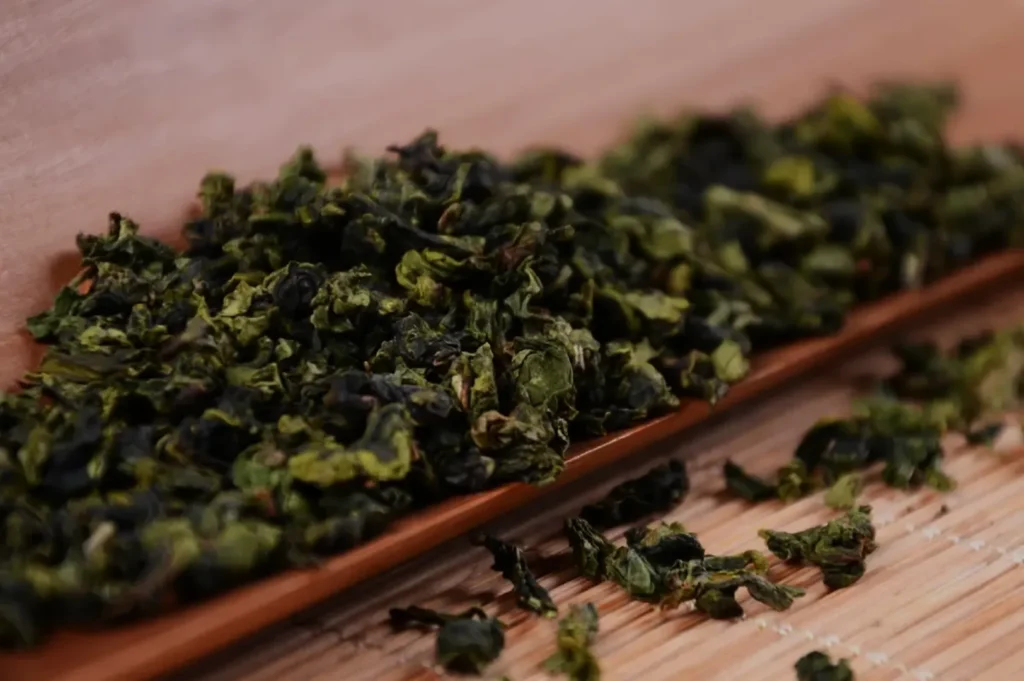
For gongfu-style brewing, begin with about 5 grams of Tie Guan Yin for a 100 ml to 120 ml gaiwan.
For a larger mug or teapot, use around 2 to 3 grams for 250 ml of water.
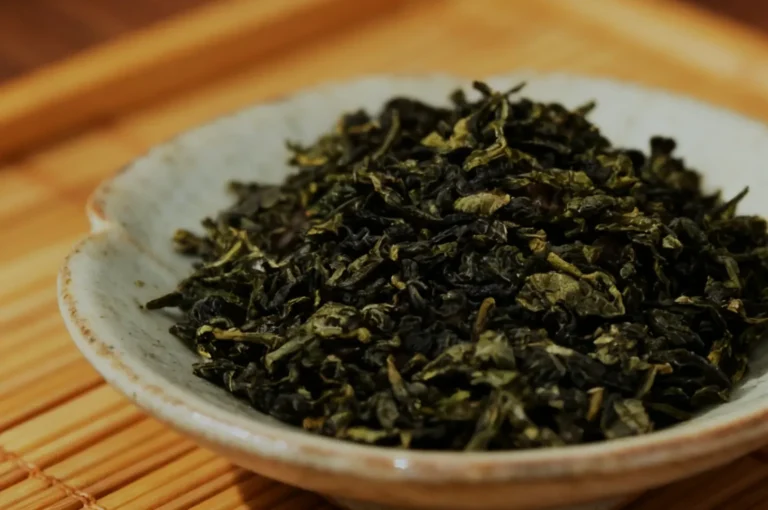
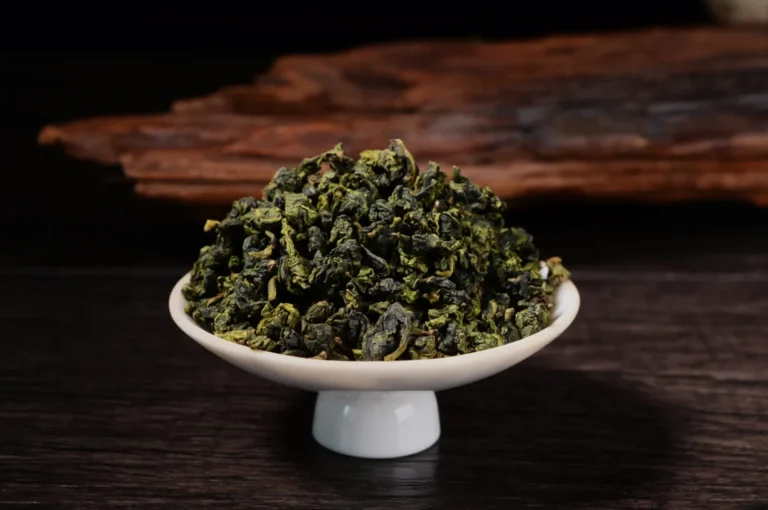
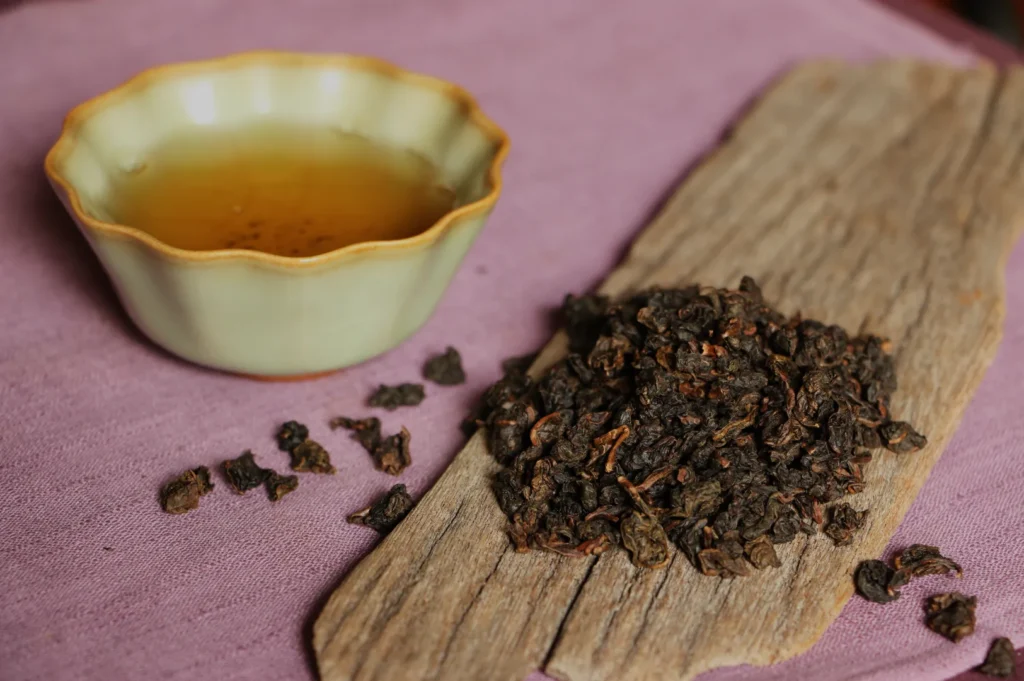
These are starting points, not laws. Tie Guan Yin varies by style. A tightly rolled light Tie Guan Yin may expand dramatically. A roasted version may need slightly more heat and time to open.
The right leaf amount is the one that gives flavour without making the cup feel forced.
If the tea tastes thin, use more leaf. If it tastes too strong or restless, use less.
Water Temperature for Tie Guan Yin
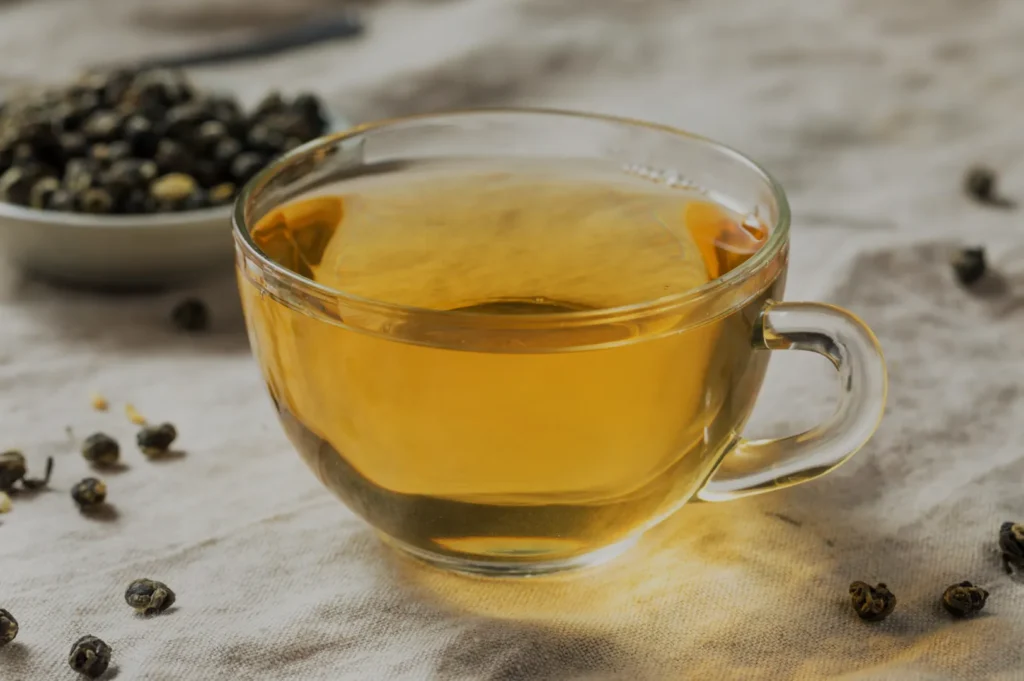
Water temperature depends on the style.
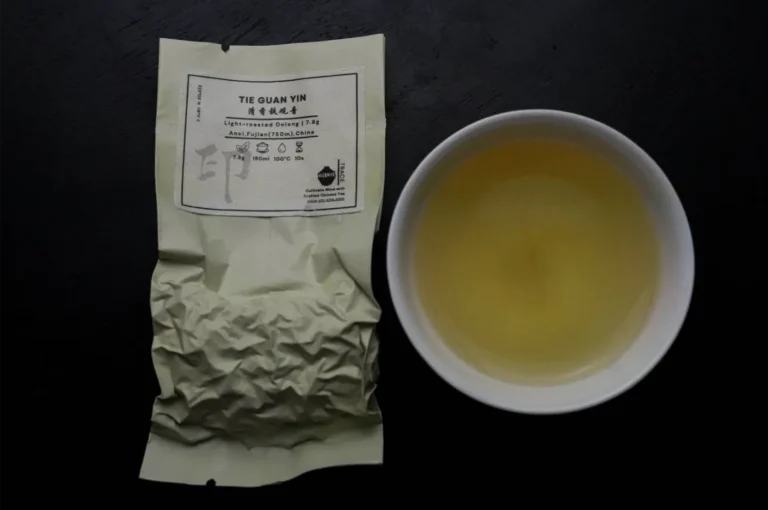
For light, floral Tie Guan Yin, begin around 85°C to 90°C. This protects fragrance and keeps the cup from becoming too sharp.
For roasted Tie Guan Yin, use hotter water, around 90°C to 95°C, or close to boiling if the tea is more traditional and sturdy.
The mistake is treating all Tie Guan Yin the same. A delicate floral style and a deeper roasted style do not need identical handling.
Water is not just a technical detail. It changes what the tea reveals.
Should You Rinse Tie Guan Yin?
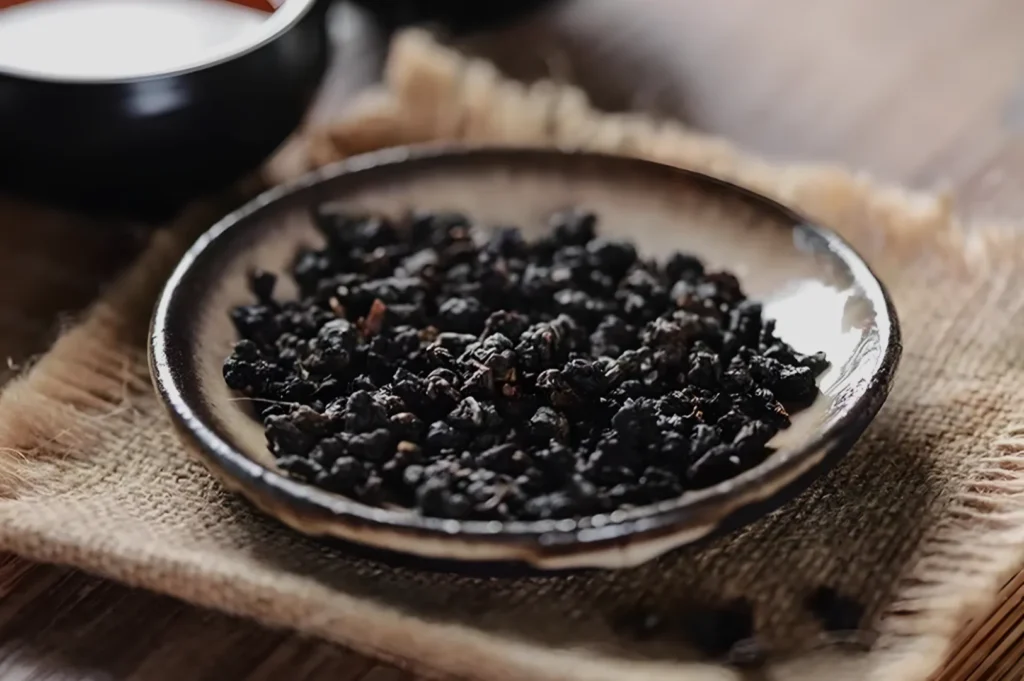
Many gongfu brewers give Tie Guan Yin a quick rinse.
This means pouring hot water over the leaves briefly, then discarding that first infusion. The rinse warms the vessel and wakes the tightly rolled leaves. It can help the tea open more evenly.
For roasted Tie Guan Yin, a rinse often feels natural. For very fragrant light Tie Guan Yin, some drinkers prefer to keep the first infusion because the early aroma can be precious.
There is no need to be rigid.
Try both methods. Let the tea answer.
How Long to Steep Tie Guan Yin
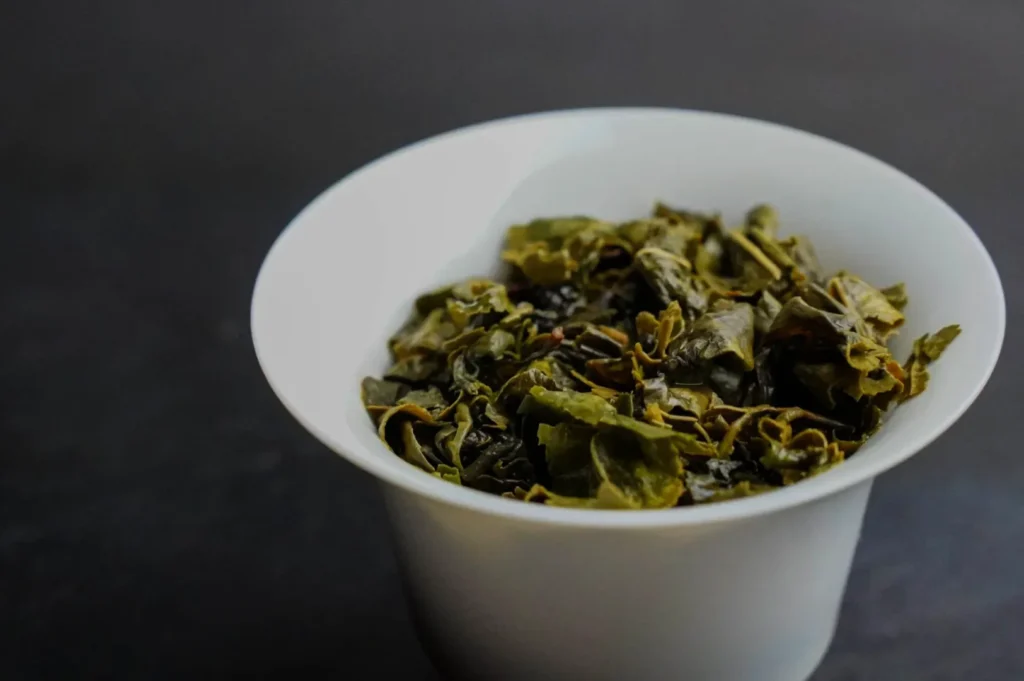
For gongfu brewing, keep the first infusions short.
Start with 10 to 20 seconds after the rinse, depending on leaf amount and tea style. Add a little more time with each later infusion as the leaves open.
For mug brewing, begin with 2 to 3 minutes, then adjust.
A Serious Eats guide to gaiwan brewing describes the gaiwan as a simple way to follow the brewing process and explore multiple infusions. That is exactly where Tie Guan Yin becomes rewarding.
Do not rush to judge the first cup. It may only be the opening line.
Multiple Infusions Matter
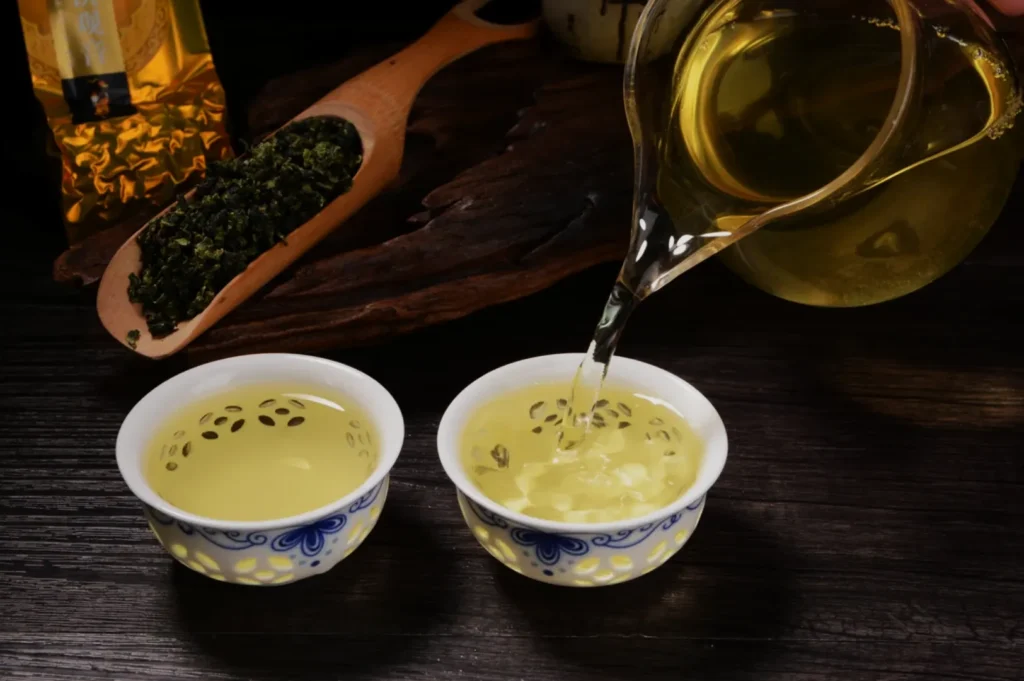
Tie Guan Yin is often most beautiful across several infusions.
The first infusion may bring fragrance. The second may show body. Later infusions may reveal sweetness, warmth, or a quieter finish.
Light Tie Guan Yin may be most aromatic early, then soften. Roasted Tie Guan Yin may begin warm and become smoother as the roast settles.
Multiple infusions teach us that Tie Guan Yin is not one cup, but a sequence.
At Tea Room by Ki-setsu, we often encourage guests to taste the same tea across several pours before deciding what they think. The leaf deserves time to make its case.
Common Brewing Mistakes
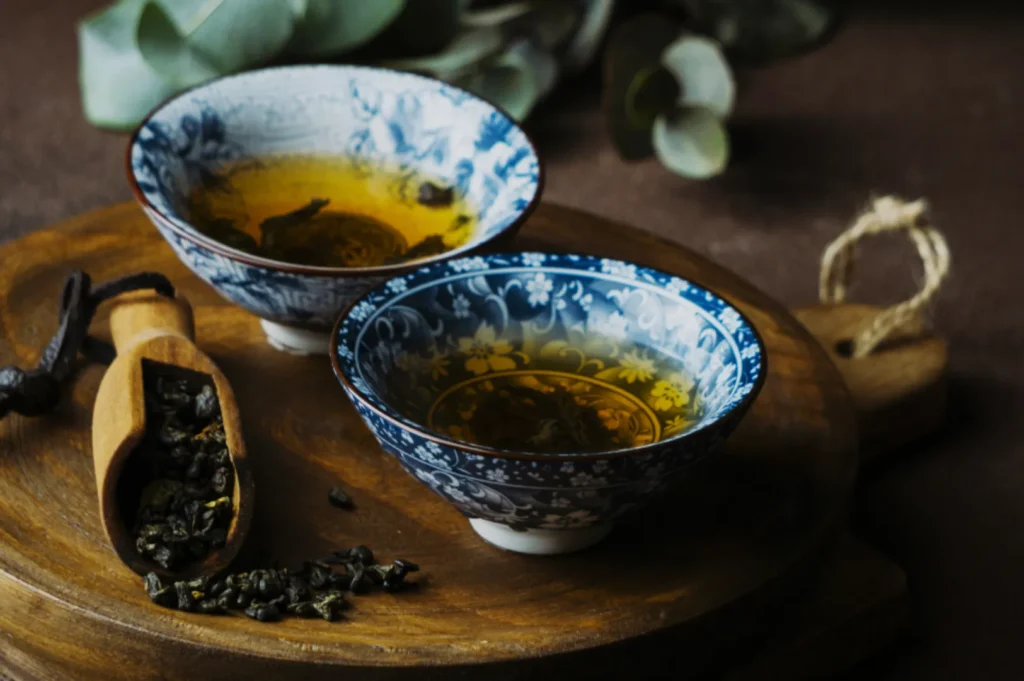
The first mistake is using water that is too hot for a light Tie Guan Yin. This can flatten the floral aroma and bring bitterness forward.
The second is steeping too long. Tie Guan Yin does not need to be punished into flavour.
The third is using too little leaf in too much water, then deciding the tea has no character.
A PubMed Central study on tea steeping methods notes that hot infusion has strong extractive power. In daily brewing, that simply means hot water and time can pull flavour quickly. Careless brewing can change a graceful cup into a harsh one.
How to Know You Brewed It Well
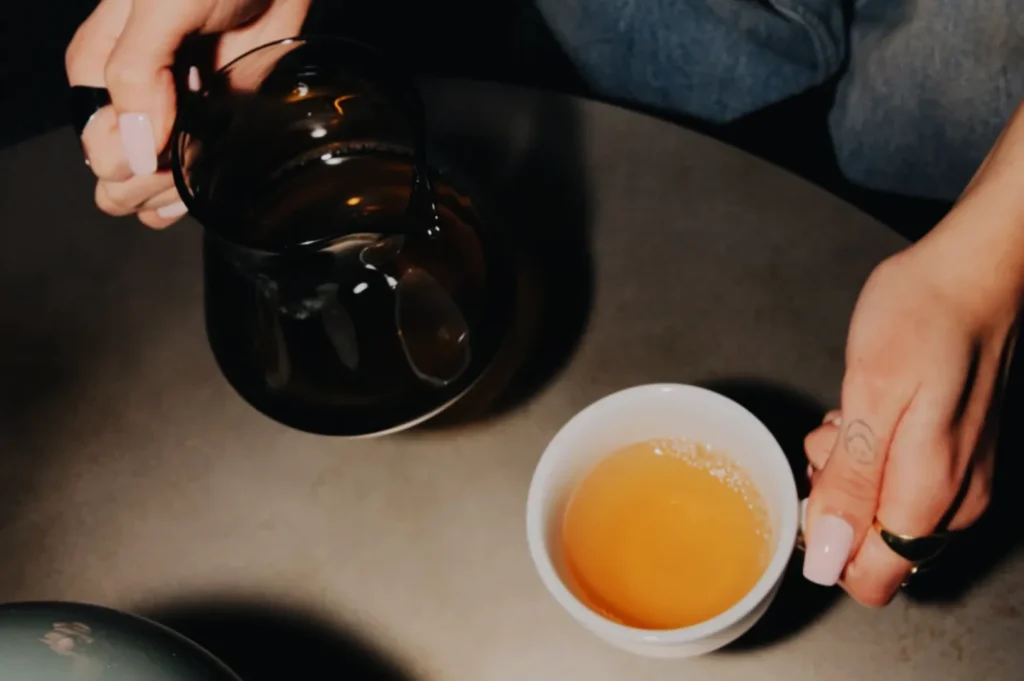
A well-brewed light Tie Guan Yin should feel fragrant, smooth, and clear. The aroma should rise naturally. The finish should feel clean rather than bitter.
A well-brewed roasted Tie Guan Yin should feel warm, rounded, and gently sweet. The roast should support the leaf, not cover it.
In both cases, the tea should make you want to return.
Not because it is loud, but because something remains.
Final Thought
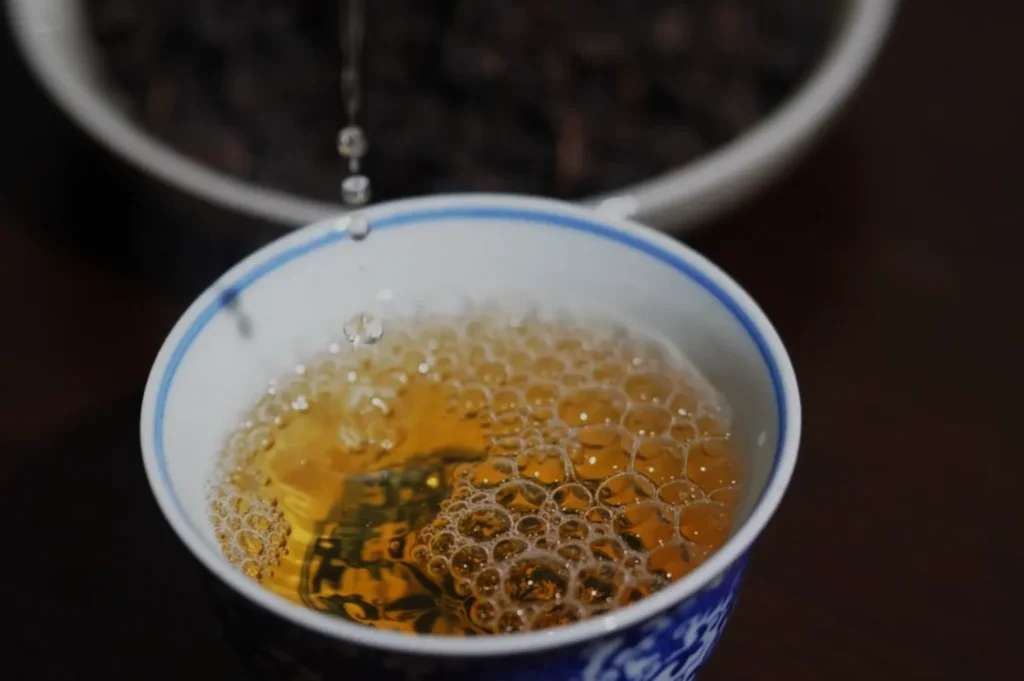
Brewing Tie Guan Yin well begins with attention.
Choose a vessel that lets you observe the leaf. Match water temperature to style. Use enough tea. Keep early infusions short. Taste across several cups. Adjust with patience.
Tie Guan Yin does not need a complicated ceremony to become meaningful. It needs care.
The best brewing method is the one that lets Iron Goddess oolong reveal itself without being forced.
For those beginning with Chinese tea, Tie Guan Yin is a generous teacher. It shows how much can change when water, leaf, vessel, and time are allowed to work together.