Tie Guan Yin tea is famous, but fame does not always make a tea easier to choose.
A beginner may see several versions at once: light Tie Guan Yin, roasted Tie Guan Yin, Anxi Tie Guan Yin, premium Tie Guan Yin, traditional Tie Guan Yin. The names can turn a simple curiosity into a small hesitation.
The better way to begin is not by chasing the most expensive label.
Begin with the cup you are most likely to understand.
The best Tie Guan Yin tea for beginners is the one that matches your palate, not the one that sounds most impressive.
For readers who want the wider foundation, we have written a Tie Guan Yin tea guide for first-time drinkers. This article focuses on choosing your first Iron Goddess oolong with calm and clarity.
Start With Floral or Roasted
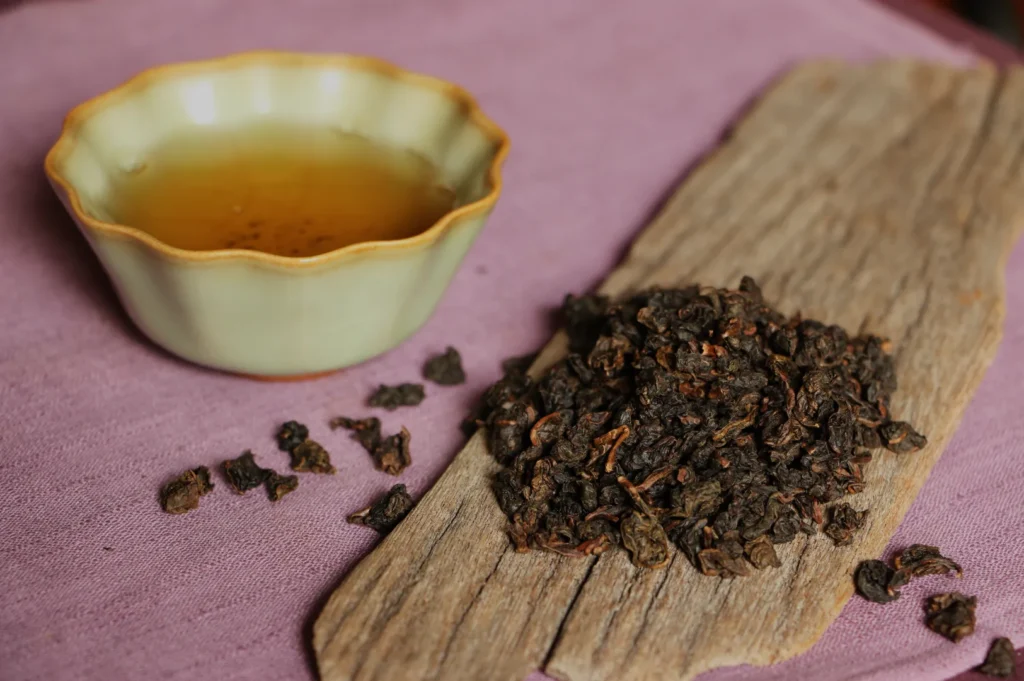
Most beginners can begin with one question: do you want floral or roasted?
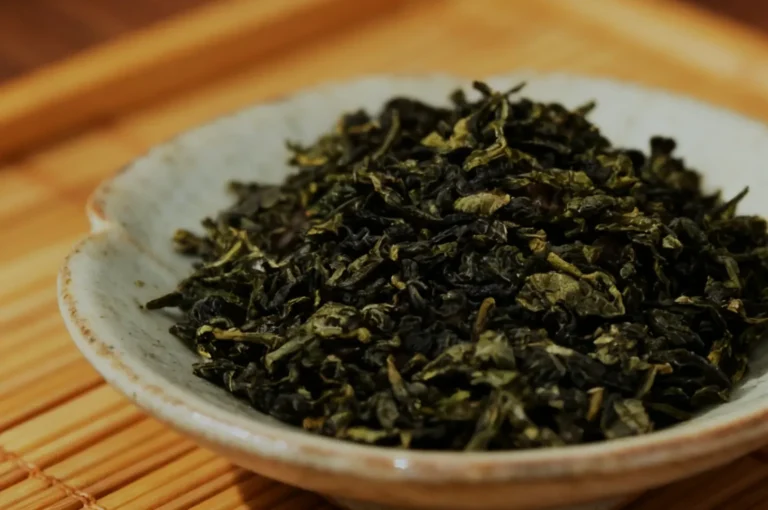
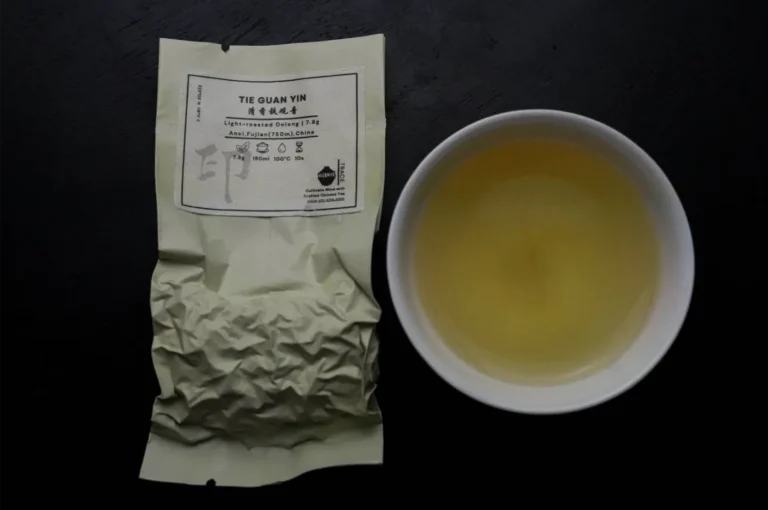
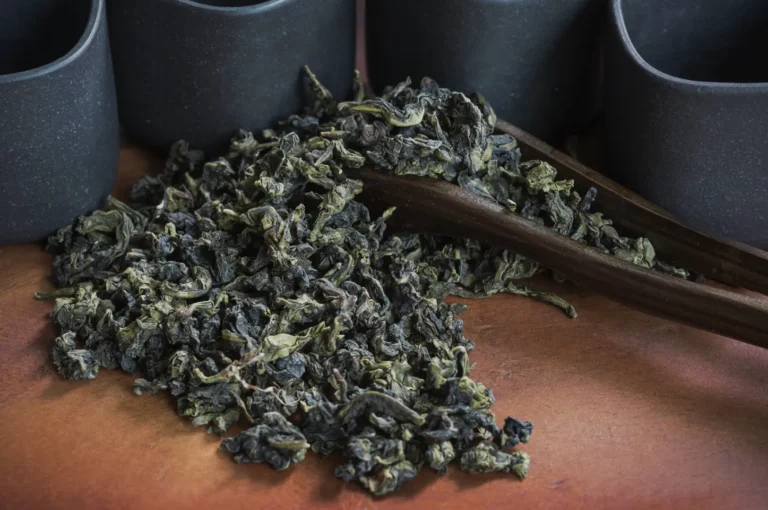
Light Tie Guan Yin is often floral, fresh, smooth, and gently creamy. It suits drinkers who enjoy jasmine tea, green tea, soft floral aromas, or a cleaner afternoon cup.
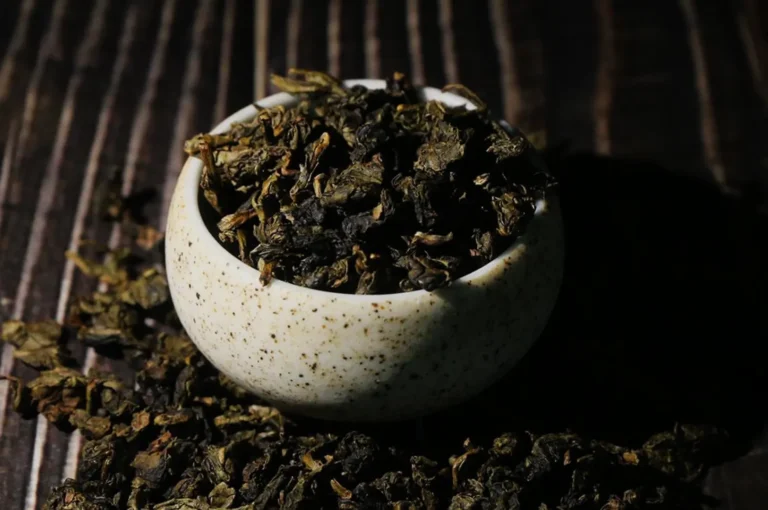
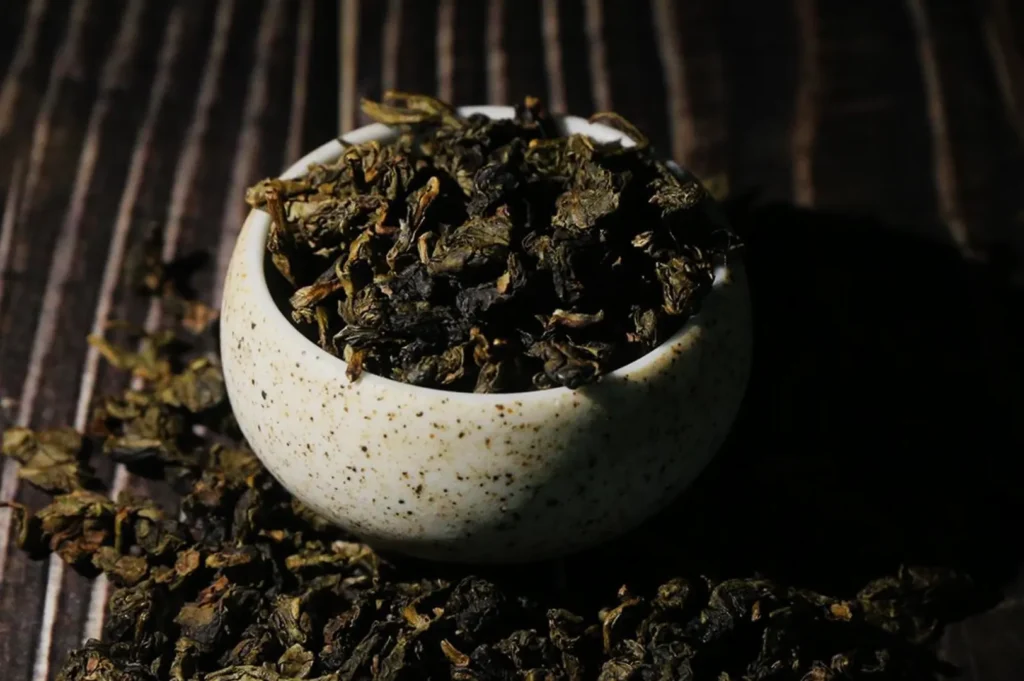
Roasted Tie Guan Yin is warmer, deeper, and more grounded. It suits drinkers who enjoy toasted grain, roasted nuts, honey, dried fruit, or a tea that feels comforting after food.
A Serious Eats beginner’s guide to oolong explains that oolong can range from buttery florals to roasted nuts and deeper flavours. Tie Guan Yin sits beautifully inside that range.
Do Not Begin With Price Alone
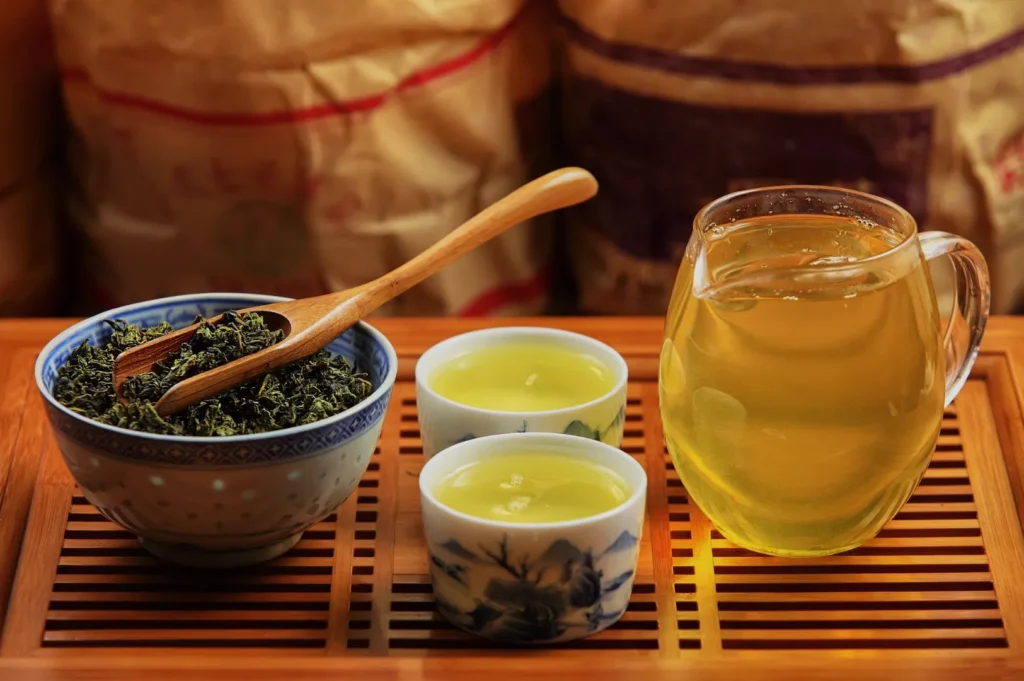
Expensive tea is not automatically the best beginner tea.
A very refined Tie Guan Yin may be subtle. A beginner may not yet notice why it is prized. A heavily roasted tea may seem serious, but may feel too dark for someone seeking fragrance.
Start with a good, honest tea that clearly shows its style.
You want a light Tie Guan Yin that smells naturally floral, not perfumed. You want a roasted Tie Guan Yin that feels warm and sweet, not burnt.
Clarity matters more than prestige in a first tea.
Choose Loose Leaf When Possible
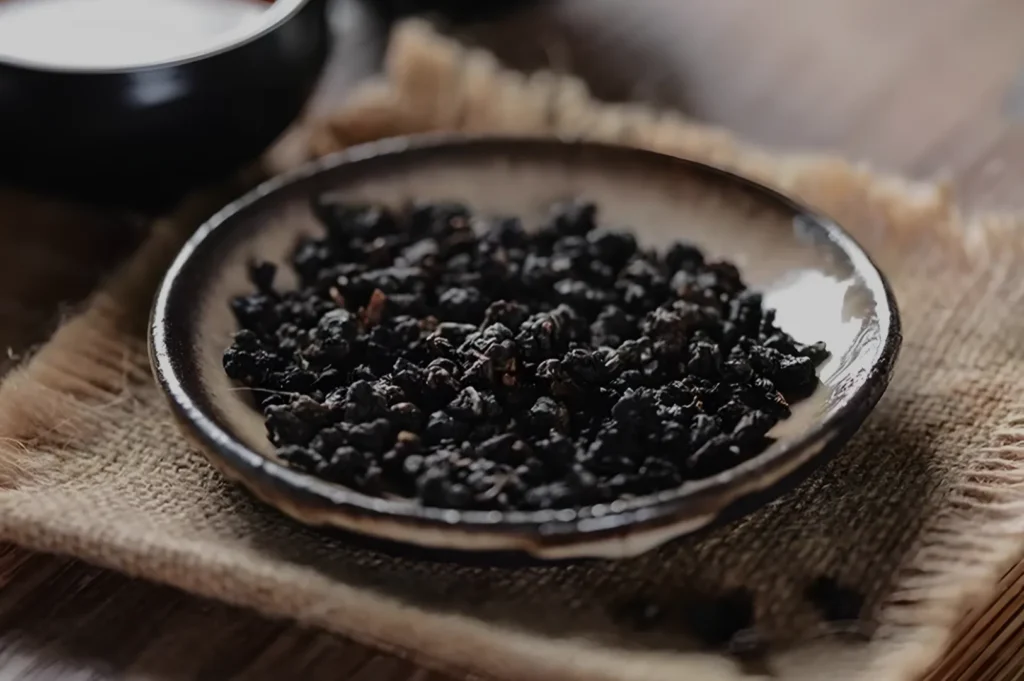
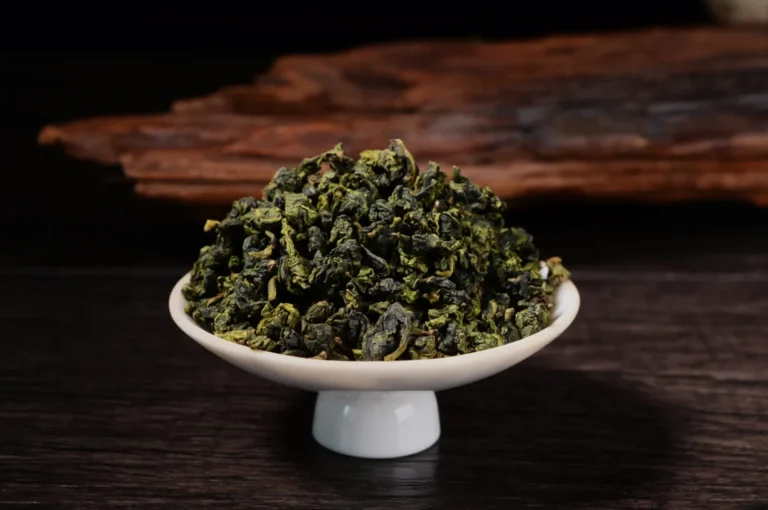
Tie Guan Yin leaves are often rolled.
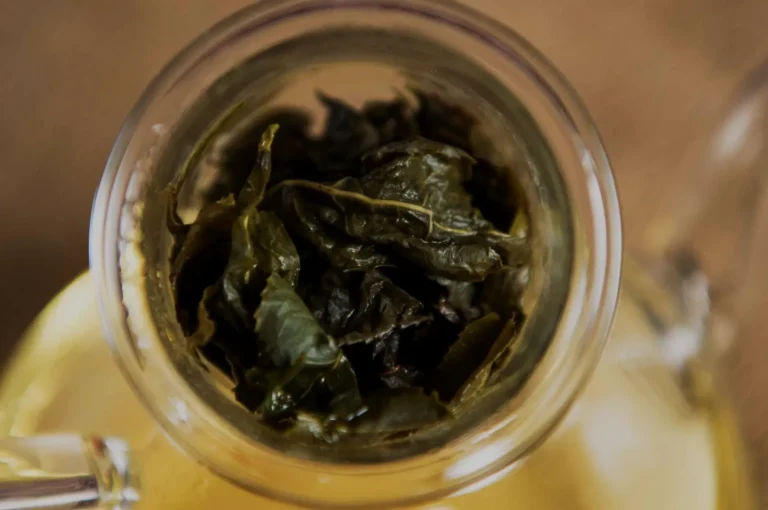
They need space to open. A cramped tea bag rarely shows the leaf properly. Loose leaf gives the tea room to unfurl, release aroma, and shift across several infusions.
This is especially important for beginners because a poor first cup can mislead the palate. You may think you dislike Tie Guan Yin when you have only tasted a tired or poorly stored version.
The Tea Guardian oolong buying guide encourages adjusting infusion time and tea quantity when tasting oolong, which is useful because Tie Guan Yin changes with small brewing choices.
Smell Before You Buy, If You Can
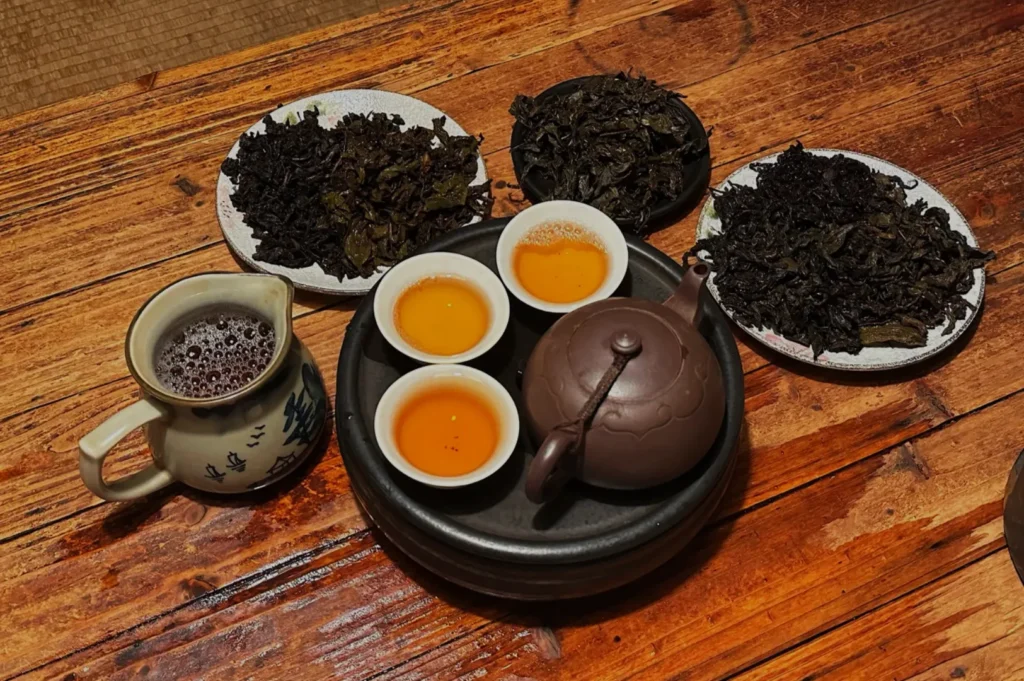
A good Tie Guan Yin should smell alive.
Light styles should feel fresh and floral. Roasted styles should smell warm, clean, and rounded. Avoid tea that smells musty, stale, smoky in a harsh way, or artificially perfumed.
Aroma is not everything, but it tells you whether the tea still has presence.
If buying online, look for clear information about style, origin, roast level, and storage. Vague descriptions are not always wrong, but they are less helpful for beginners.
Try Guided Tasting
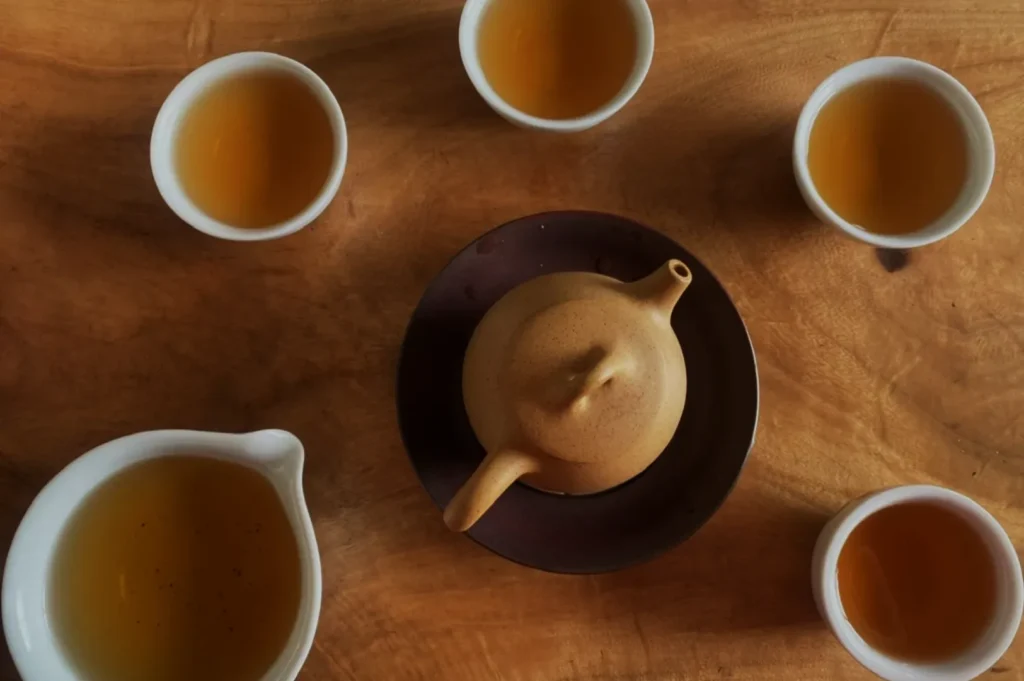
Tie Guan Yin becomes much easier when tasted side by side.
A light version beside a roasted version teaches more than a long description. The difference becomes physical: one rises in aroma, the other settles in warmth.
At Tea Room by Ki-setsu, we often see beginners relax when they are guided through comparison. They do not need to guess the right words. They only need to notice what changes.
This is where a private tea session can be useful. The host can explain the leaf while the drinker experiences it directly.
Final Thought
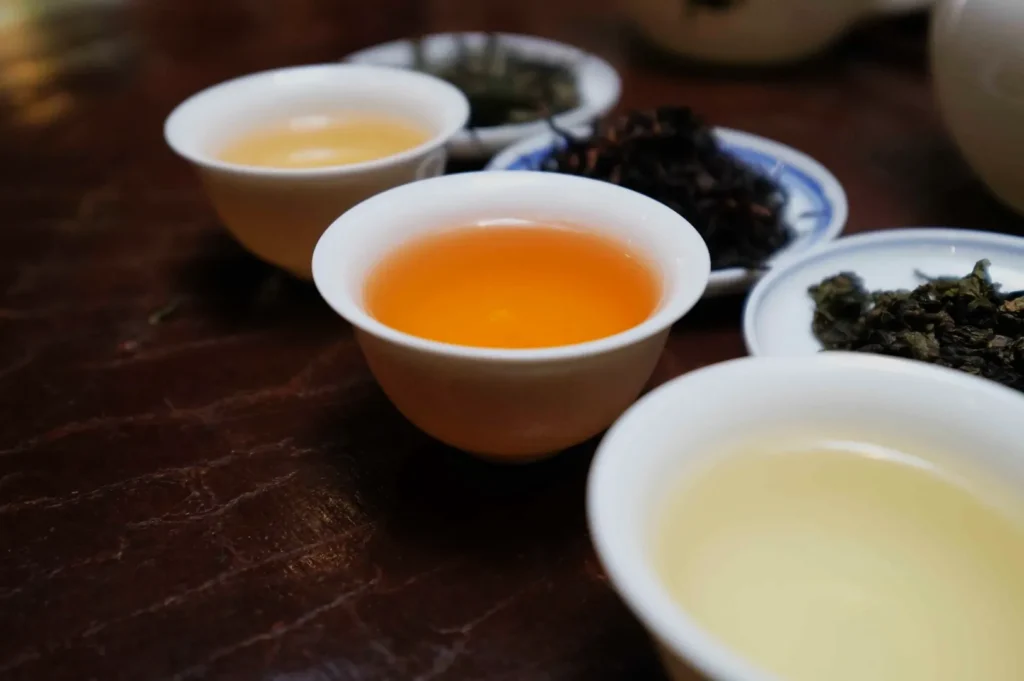
Tie Guan Yin tea for beginners should not begin with pressure.
Begin with preference. Floral or roasted. Fresh or warm. Bright or grounded. Then choose a tea that expresses that style clearly.
The first cup does not need to be rare. It needs to be honest.
A good beginner Tie Guan Yin should make you want to return, not make you feel tested.
For those beginning with Iron Goddess oolong, the path is simple: choose carefully, brew gently, and let the tea teach from there.