There is a particular moment of hesitation that many tea drinkers recognise.
You open two listings for Longjing. The names are similar. The leaves appear similarly flat. Both promise spring freshness, West Lake character, and careful firing. Yet one sits at a gentle, everyday price, while the other carries the kind of number that makes you pause before reading further. The question arrives almost immediately: why is Longjing tea expensive sometimes, and what, exactly, am I paying for?
This is a reasonable question. Longjing is one of China’s most admired green teas, but admiration alone does not explain the full range of prices in the market. Some teas cost more because the leaves are finer, rarer, or gathered earlier in the season. Some cost more because the name on the label carries prestige. Some cost more because the story around the tea has grown louder than the tea itself.
At Tea Room by Ki-setsu, we believe price becomes easier to understand when it is brought back to the cup. A good tea should justify its cost through clarity, texture, sweetness and composure. That is where this guide begins.
The First Thing to Understand About Longjing Pricing
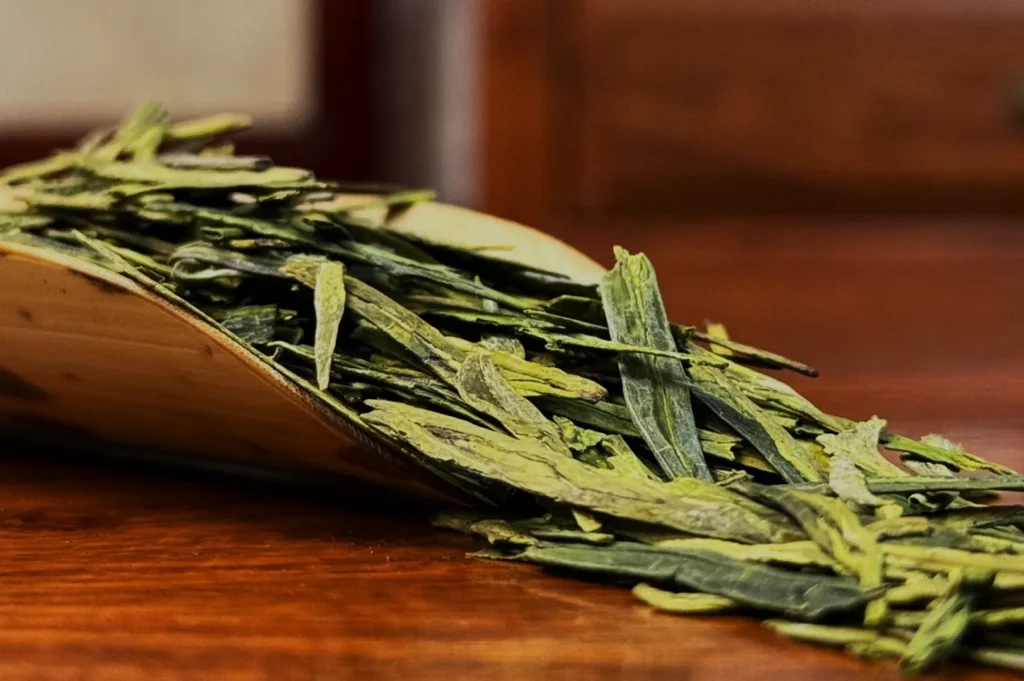
Longjing is not priced by one factor alone.
A meaningful longjing tea price usually reflects several layers at once: harvest timing, the skill of hand-firing, the quantity available, the integrity of sourcing, and the degree to which the tea still tastes alive when it reaches the drinker. When those elements align, the price can make sense. When they do not, the price may still be high, but the value becomes less convincing.
This is why Dragon Well can feel confusing to buy.
The name itself carries prestige, and prestige attracts variation. Some sellers are careful and transparent. Others rely on broad claims, polished packaging, or the assumption that the buyer already believes the most expensive tea must be the most rewarding. That assumption is not always safe.
A higher dragon well tea price can signal care, but it does not automatically guarantee pleasure.
Origin and the Weight of Place
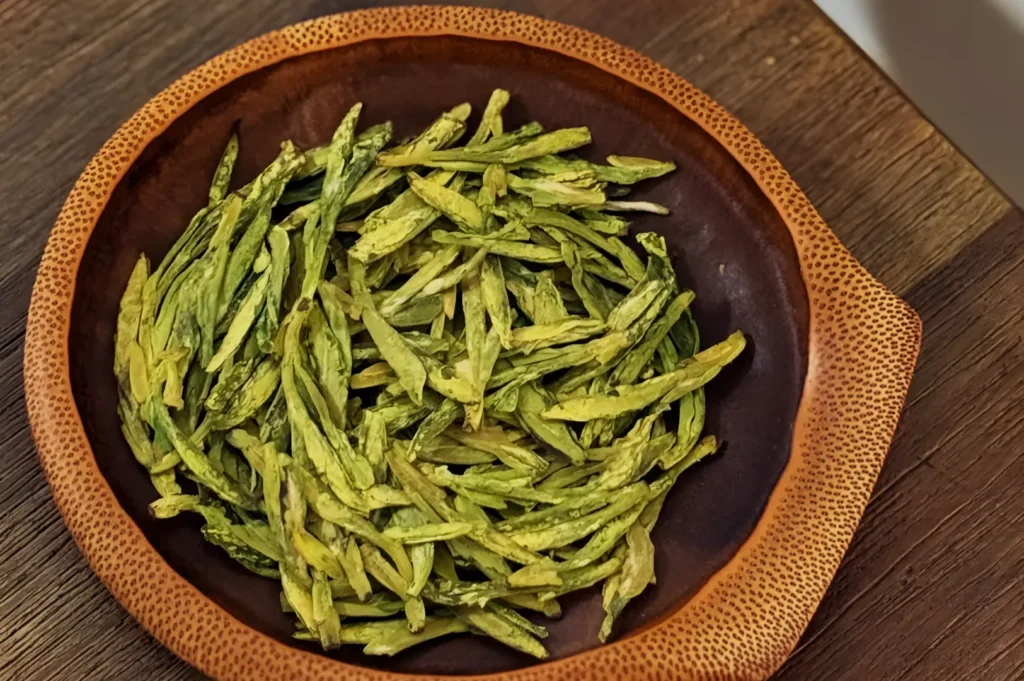
One of the strongest drivers of price is origin.
Longjing is closely associated with Hangzhou and more specifically, with the West Lake region. Within that geography, certain villages and sub-regions carry greater historical prestige, and that prestige often influences cost. The closer a tea is claimed to be to the most recognised core areas, the more likely its price is to rise.
That does not mean every tea using a famous place name deserves unquestioning trust.
Place matters in tea because soil, air, slope and local knowledge shape the final leaf. But place names also travel faster than verification. This is why calm sourcing matters more than dramatic wording. A tea may come from a respected area and still be underwhelming in the cup. Another may come from a less celebrated edge of the region and still offer real depth and beauty.
For readers who want the fuller cultural and historical background first, read this guide to understand Dragon Well’s imperial legacy and value. In a price guide, what matters is simpler: origin can influence value, but it should still be tested by flavour and not by name alone.
Harvest Timing and Scarcity
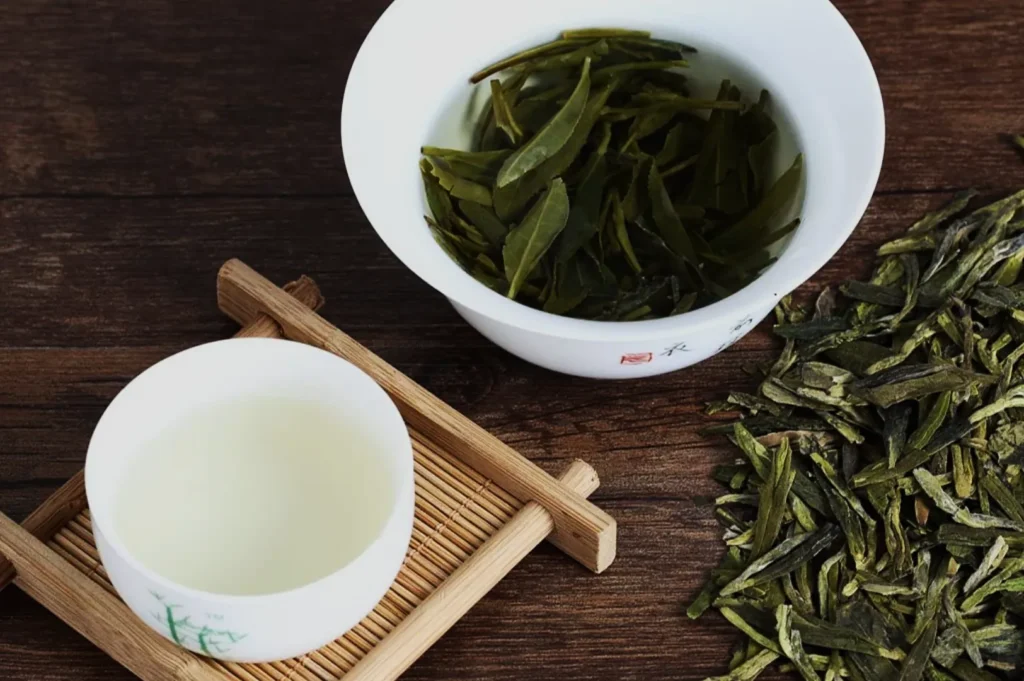
The timing of the harvest is one of the most visible reasons Longjing prices diverge.
Earlier spring lots, especially those picked before Qingming, are produced in much smaller quantities and are often more labour-intensive to gather. The buds are smaller, the leaves more delicate, and the window itself is brief. This naturally pushes prices upward. You are paying partly for tenderness, partly for scarcity, and partly for the cultural prestige attached to that early harvest.
Later spring Longjing is often more available, and therefore less expensive. Yet lower price here does not necessarily mean lower value.
Some drinkers find later harvest teas more satisfying in daily use because the flavour can feel broader and more immediately generous. Earlier tea may be more refined. Later tea may be more expressive. The more expensive tea may be rarer, but the less expensive tea may be the one you actually want to drink more often.
This distinction matters. Price is not only about quality. It is also about rarity.
The Cost of Skilled Hand-Firing
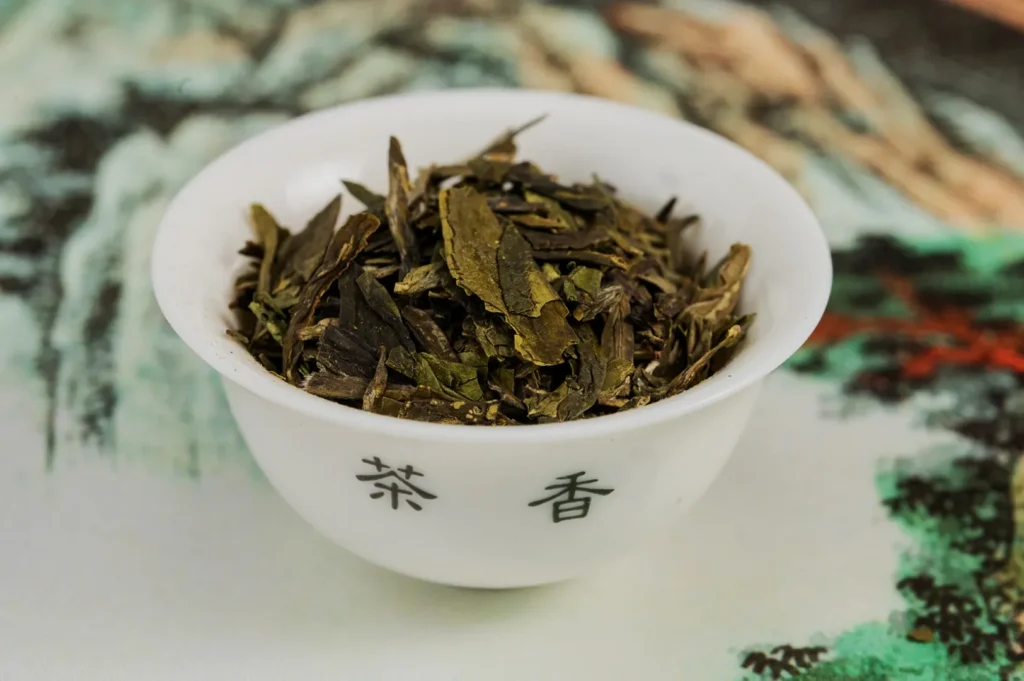
Longjing is shaped by hand and heat.
This matters more than many buyers first realise. The process of pan-firing Dragon Well is demanding, and the difference between careful firing and careless firing can be felt in the cup. Skilled tea makers know how to halt oxidation, preserve sweetness, and build that signature warm chestnut note without pushing the leaf into dullness or burn.
That skill has a cost.
A properly made Longjing takes time, attention, and physical labour. It cannot be reduced easily without changing the character of the tea. This is one reason premium dragon well tea often carries a higher price than teas that may look superficially similar in a photograph.
The leaf shape tells part of this story. So does the liquor. So does the finish.
When a tea feels composed from start to end, the hand behind it is often part of what you are paying for.
What Freshness Does to Value
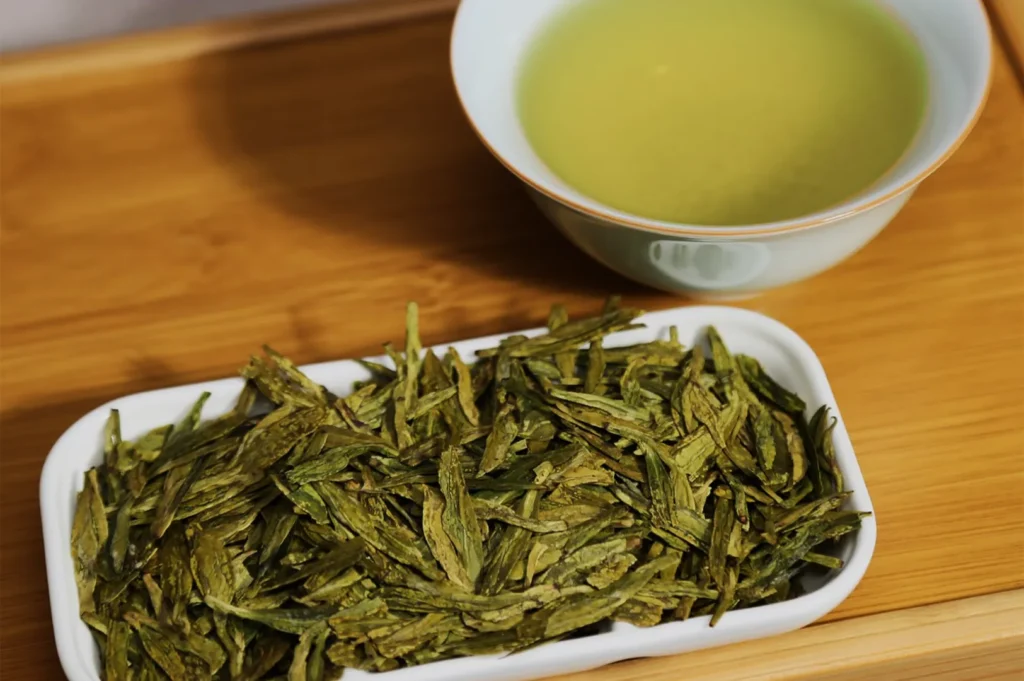
Green tea is unusually sensitive to time.
A good Longjing should arrive with life still in it. The fragrance should feel open, not stale. The chestnut warmth should remain warm rather than tired. The liquor should feel bright, clear, and capable of leaving something behind after the sip. If the tea has sat too long, or travelled poorly, much of that quiet precision can fade.
This is why freshness matters in a way that directly affects value.
A tea may have been expensive at origin, but if it no longer tastes articulate, its earlier price becomes less relevant to the buyer holding it now. This is also why sellers who handle stock carefully and move it with integrity often deserve more trust than those who sell by prestige language alone.
In green tea, value is not only what the tea once was. It is what it still is when brewed.
Packaging, Presentation, and the Temptation of Surface
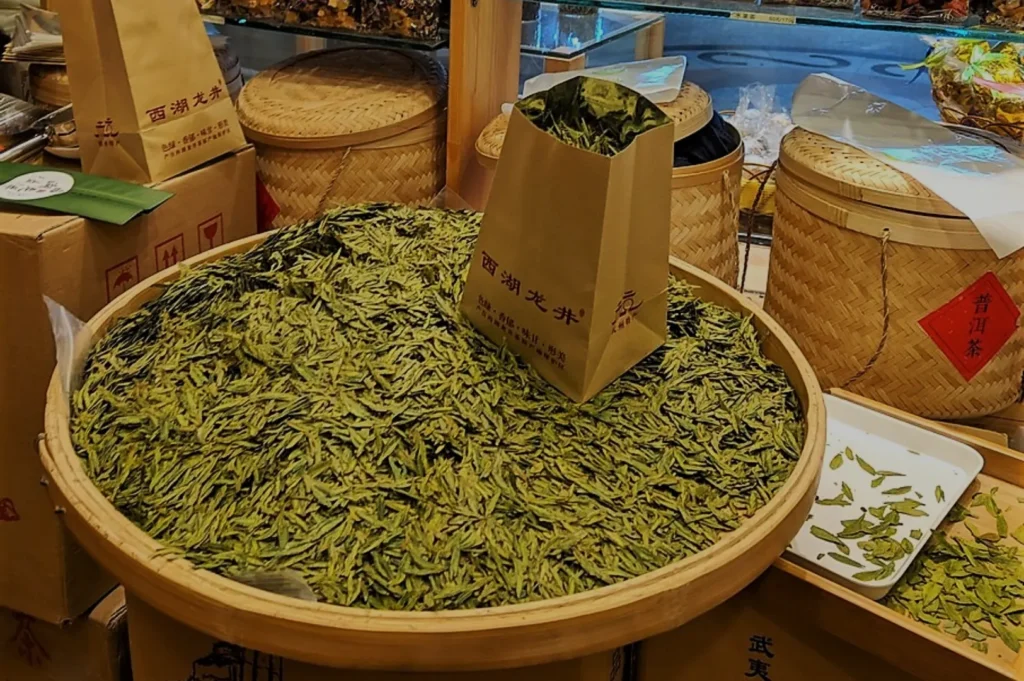
Beautiful packaging can be a pleasure. It can also be distracting.
A tea boxed in lacquered presentation, accompanied by certificates, velvet textures, and ceremonial descriptions may well be excellent. It may also simply be well dressed. Presentation can protect a tea, and in gifting it may add a sense of occasion. But it should not be mistaken for flavour.
This is where many buyers overspend without realising they have done so.
If a large portion of the price is sitting in the box rather than the leaf, the tea may not justify repeated return. This is not an argument against elegance. At Tea Room by Ki-setsu, we value restraint in presentation precisely because it allows the tea to remain the point.
When assessing longjing tea singapore price, ask quietly: if all the packaging were removed, would this tea still make sense at the number being asked?
That question is usually clarifying.
What a Higher Price Can Honestly Mean
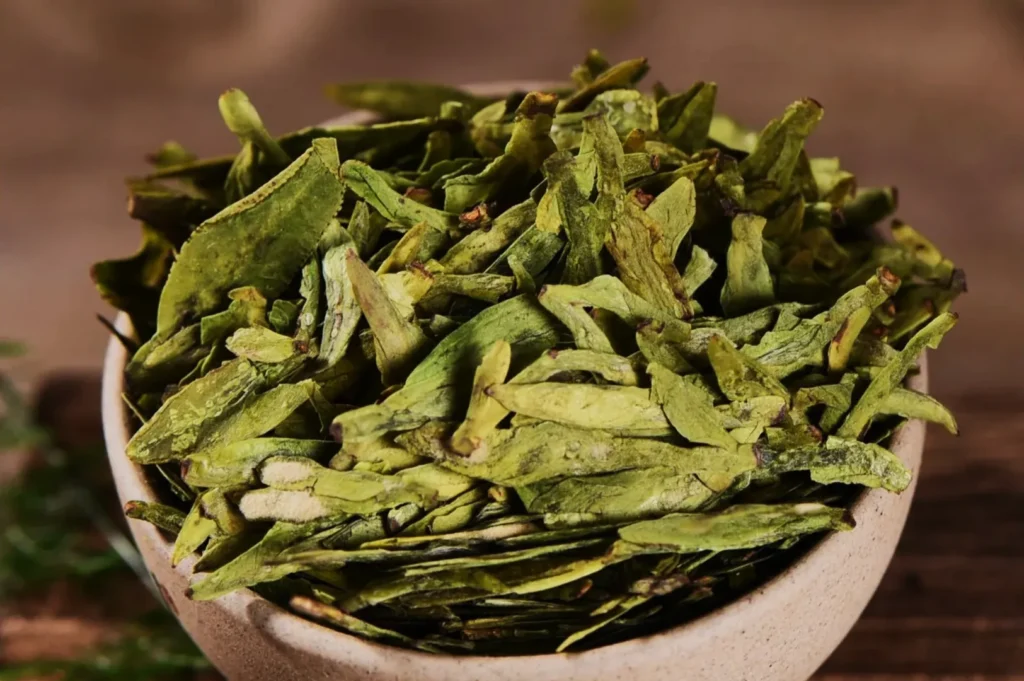
A higher price can mean several legitimate things:
- The tea came from a more tightly limited harvest.
- The leaf was more carefully sorted and shaped.
- The origin claim is stronger and more credible.
- The tea has been sourced with more restraint and lower volume.
- The seller has absorbed the cost of careful handling, freshness, and curation.
These are not meaningless differences.
A higher price can also mean the tea is more difficult to replace once sold through, or that the producer has earned trust over many seasons. When those things are true, paying more can feel calm rather than anxious. You are paying for a tea that carries more precision, more consistency, or more rarity, and the cup often shows you why.
What a Higher Price Does Not Guarantee
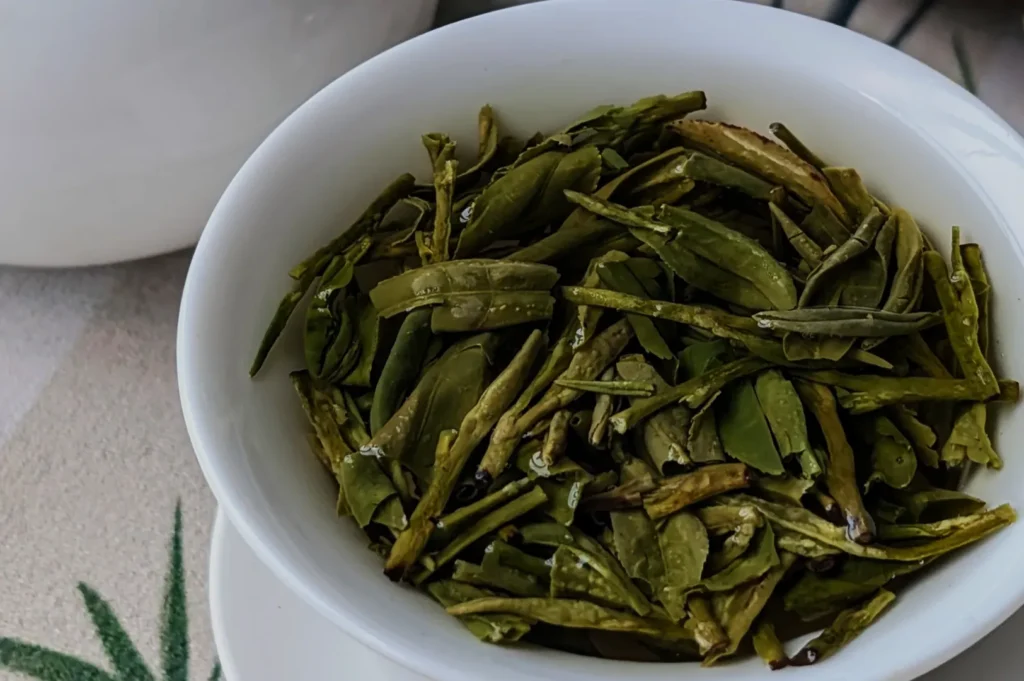
At the same time, a high price does not guarantee that the tea will suit your palate.
It does not guarantee that you will prefer the finer, quieter pre-Qingming style over a slightly later, more generous spring lot. It does not guarantee that you will enjoy a more prestige-driven origin over a less celebrated one. It does not guarantee that the seller’s language is proportionate to what is in the cup.
This is why we encourage buying with a little patience rather than with urgency.
The most expensive tea is not always the most beautiful for you. It may simply be the rarest, the earliest, or the most heavily mythologised. Some drinkers discover that they would rather drink an excellent later-harvest Longjing often than guard an elite early lot too anxiously to enjoy it.
A Calmer Buying Path for Singapore Drinkers
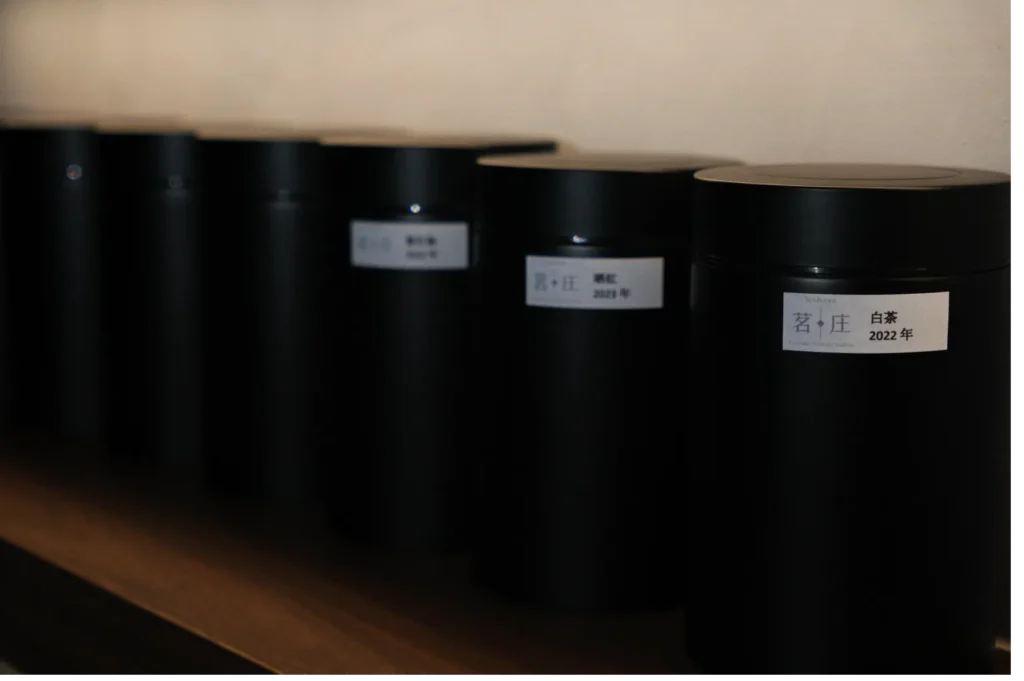
In Singapore, price can be made more confusing by the way tea is encountered.
Online, it is easy to compare listings quickly and feel as though the only available signals are cost, packaging, and a few repeated phrases. In person, however, tea often becomes more intelligible. Water quality, vessel choice, and pace of service can all change what the tea actually feels like in the cup. A tea that seemed modest on paper may become unexpectedly compelling when tasted slowly in the right conditions.
This is one reason guided sessions can be so clarifying. Not because they tell you what to buy, but because they help you understand what kind of value matters to you. Some people realise they care most about delicacy. Others about chestnut warmth. Others about aftertaste and poise.
When that becomes clear, price becomes easier to interpret.
At Tea Room by Ki-setsu, we think this is one of the quieter forms of luxury tea education: helping a drinker spend not more, but more accurately.
Buy for the Cup, Not the Theatre
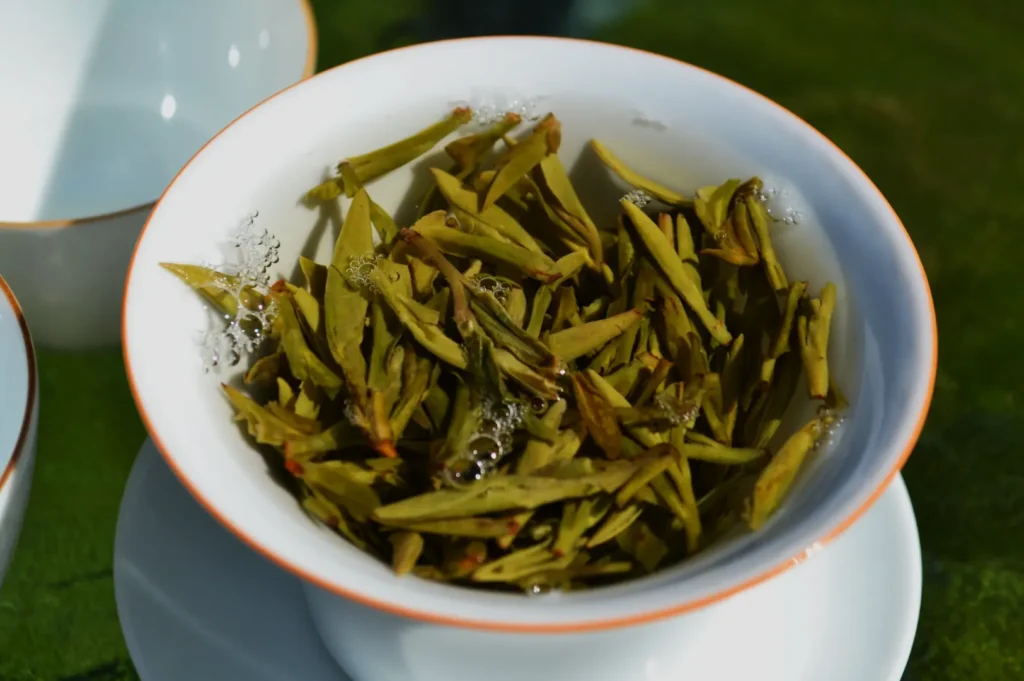
The most useful price guide is not a ranking. It is a way of staying close to what the tea is actually doing.
Longjing can cost more because it is finer, rarer, earlier, or more carefully made. It can also cost more because the market around it has become comfortable with prestige. Both things can be true at once. Your task as a buyer is not to reject expensive tea on principle, nor to assume that price alone is the best proof of quality. It is to ask, with enough calm, whether the cup justifies the claim.
A good Longjing will usually tell you.
Its leaves will look composed.
Its aroma will feel alive.
Its liquor will carry clarity.
Its finish will remain gentle and precise.
When those things are present, the price begins to make sense. When they are absent, no box, no story, and no village name can fully repair the gap.