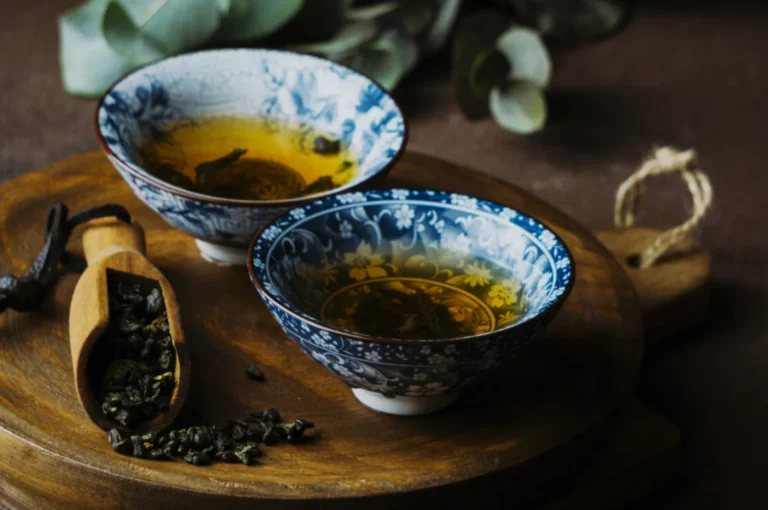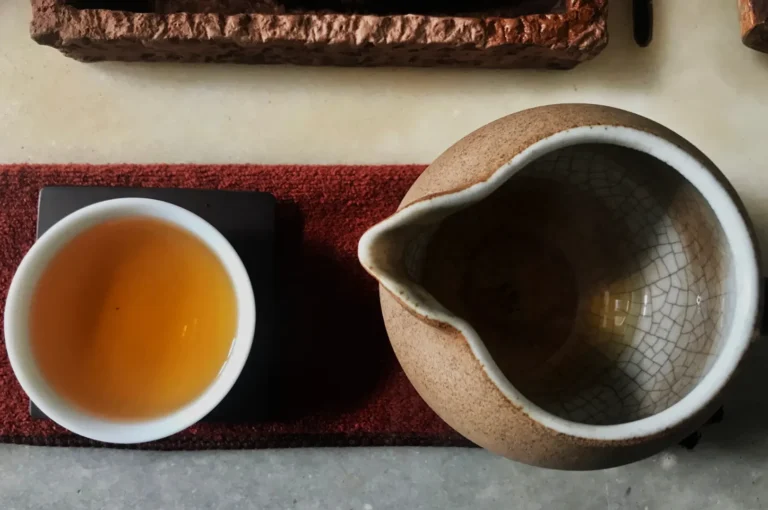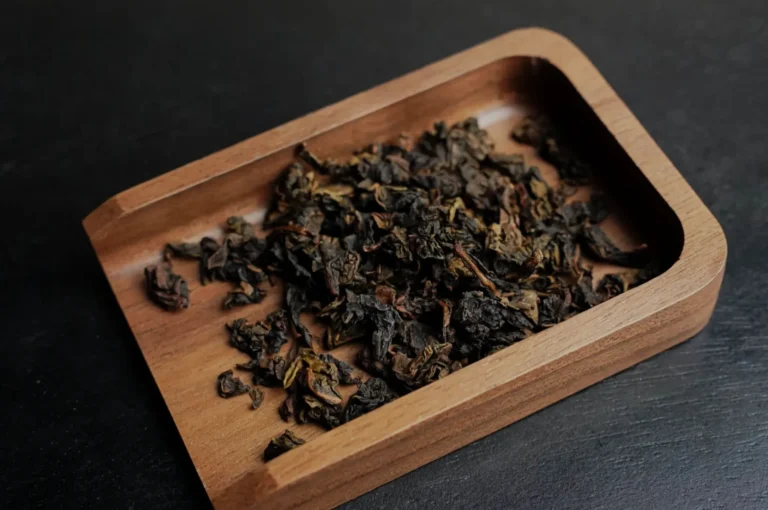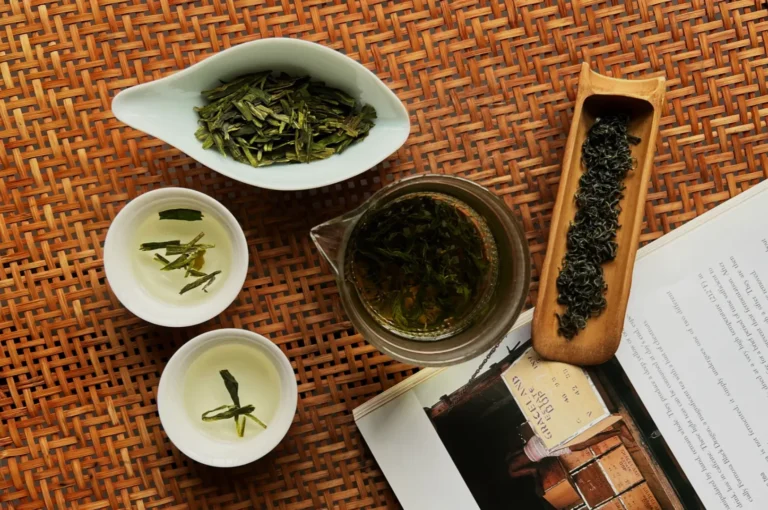
Tea is often discussed as though pairing begins and ends with what is placed on the plate.
Sweetness, salt, roast, texture, freshness. These matter, and they matter deeply. Yet at a Chinese tea table, some of the most decisive pairings are not edible at all. Tea is also shaped by pace, by silence, by the quality of conversation, by the light in the room, and by whether the table feels hurried or held. A fine tea may remain technically the same from one session to another, yet feel entirely different because the atmosphere around it has changed.
At Tea Room by Ki-setsu, we return to this often. The cup is never received by the tongue alone. It is received by the whole room. For a broader foundation on tea pairing principles, begin here. This article stays with something quieter: the way tea can pair with silence, with conversation, and with the emotional texture of the table itself.
Tea Is Not Only Paired With What Is Served
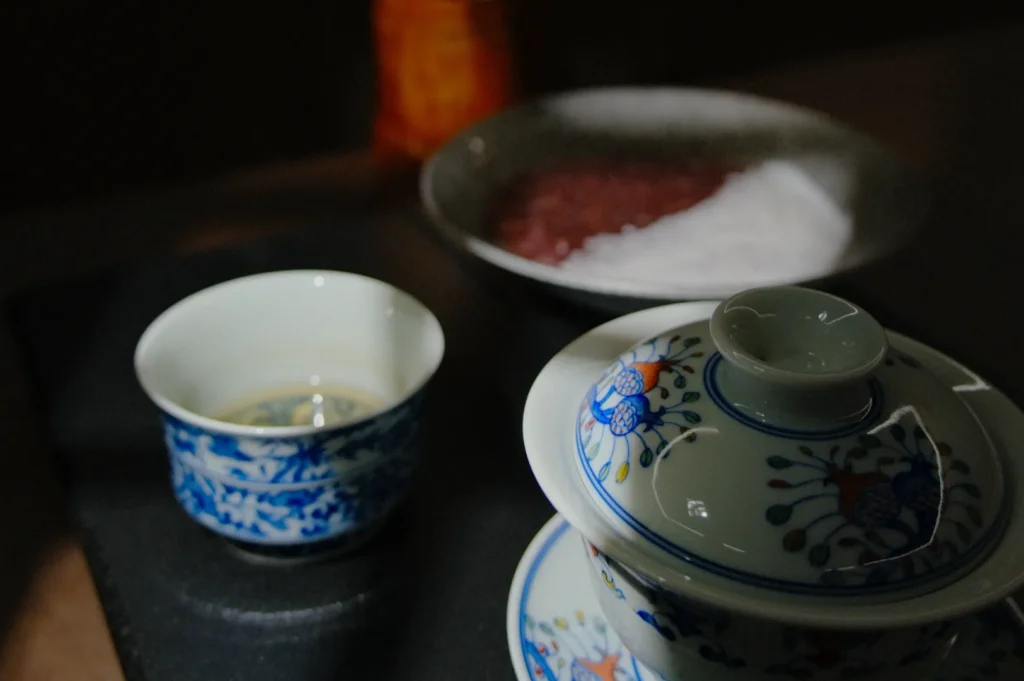
A tea table is made of more than vessels and leaves.
There is the quality of the air. The speed of the hands that pour. The willingness of the room to pause. The kind of speech that surrounds the tea, or the absence of speech altogether. All of these shape the tea pairing experience, even if they never appear on a menu.
This is not a poetic exaggeration. It is something most drinkers feel before they know how to name it. The same oolong can seem lifted and articulate in one setting, then strangely quiet in another. A black tea may feel warm and generous in a calm room, then blunt and reduced when poured into noise. Tea responds to attention, and attention is rarely an individual act alone. It is atmospheric.
A Chinese tea table is not only a place where tea is served. It is a place where conditions are arranged so the tea can be fully perceived.
Why Some of the Best Pairings Cannot Be Plated
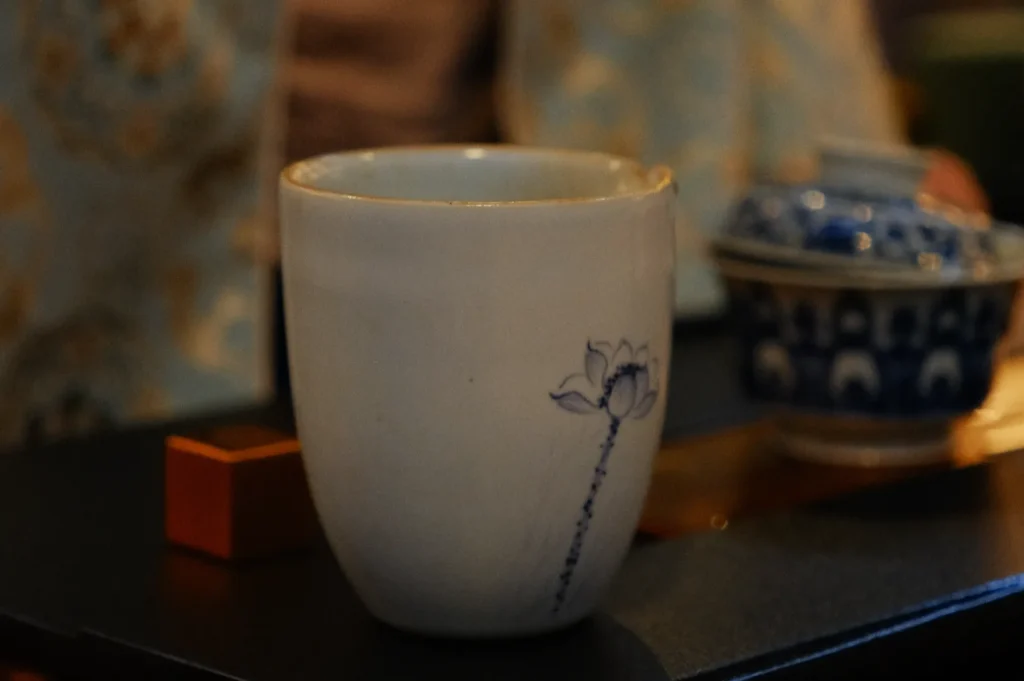
Food is only one form of company.
Tea is just as affected by whether the room is tense or settled, whether the conversation is expansive or crowded, whether the drinker is being rushed toward an opinion or allowed to arrive slowly at one. This is why mindful tea drinking Singapore readers seek is not always about learning more tasting vocabulary. Sometimes it is about recovering the right conditions for perception.
A pair of pear slices may support the cup beautifully. So may five minutes of near-silence. A simple biscuit may offer a pause in the palate. So may a conversation that knows how to rest between sentences. These things are not sentimental additions to the tea experience. They are part of its structure.
At Tea Room by Ki-setsu, we think of this as the invisible side of pairing. It cannot be plated, but it can be felt immediately once the room is right.
The Five Invisible Pairings at a Chinese Tea Table
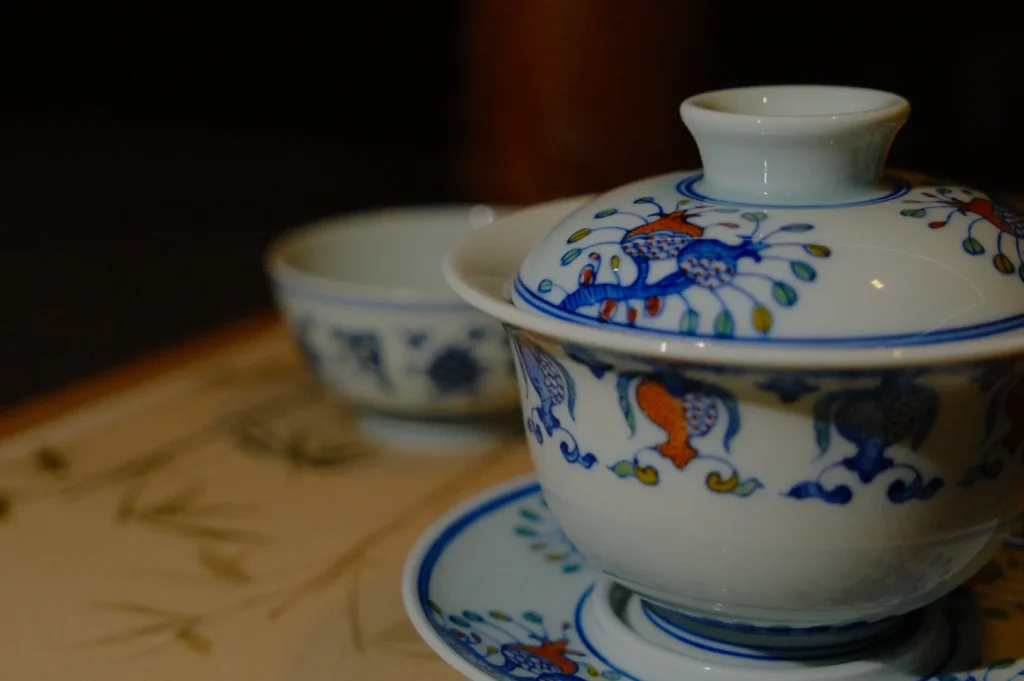
Silence: The First Space the Tea Enters
Silence is often misunderstood as emptiness.
At a tea table, silence is not the absence of hospitality. It is one of its gentlest forms. It gives the tea somewhere to arrive. Aroma becomes easier to notice. Texture becomes more distinct. The finish is no longer interrupted before it has even formed. In a room that allows brief silence, the drinker has time to meet the tea before the world places words on it.
This matters especially with subtler teas. A floral note may appear only for a moment. A returning sweetness may be felt more easily than described. A roasted warmth may gather quietly rather than announce itself. Without silence, these things are often lost.
Tea does not require silence all the time. But it often becomes more legible when silence is allowed to appear naturally.
At Tea Room by Ki-setsu, we do not think of silence as severe. It should feel soft, breathable, and unforced. The tea enters it the way steam enters cool air.
Conversation: When the Tea Moves With the Room
Conversation can support tea just as beautifully as silence can.
The problem is not speech itself. The problem is speech that dominates every available space. Good tea-table conversation has rhythm. It knows how to make room. It does not insist on constant performance, explanation, or commentary. It allows the tea and the exchange to move alongside one another.
Some of the most memorable cups are shared in conversation that feels lightly held. A question is asked. A pause follows. The tea is poured. The answer comes after the sip rather than before it. In that kind of room, tea and conversation do not compete. They deepen each other.
This is part of what makes tea and conversation such a meaningful pairing. The tea slows the room. The room gives the tea a human warmth it might not have in solitude. The cup becomes part of the exchange, not merely something consumed beside it.
Pace: Why Tea Needs Time More Than Commentary
Tea unfolds by timing, not by explanation alone.
A fast session can flatten even a beautiful leaf. When the pours come too quickly, when the drinking is hurried, when each infusion is treated as something to move through rather than inhabit, the tea loses dimension. Aroma becomes a quick impression. Body becomes function. Finish becomes irrelevant.
This is why pace is one of the deepest elements of a tea pairing experience. Time allows variation to appear. The second infusion may be calmer than the first. The third may reveal sweetness that was not yet visible. A pause before the next pour may make the next cup seem clearer, not because the tea changed dramatically, but because the drinker had time to settle into it.
At Tea Room by Ki-setsu, we think good pace is a form of care. It keeps the tea from being forced into immediacy. Luxury, in tea, is often nothing more extravagant than enough time for the leaf to speak in full.
Attention: The Quietest Form of Hospitality
A tea table feels different when the guest does not need to perform understanding.
This is where attention becomes so important. The host notices whether the room needs more silence or more warmth. Whether the guest is uncertain and needs ease, or curious and ready for more depth. Whether the tea should be allowed to stand quietly or be gently introduced with a few words.
Attention changes the atmosphere of the session because it removes pressure. The guest is no longer trying to “get it right.” They are simply present. This is when tea becomes easier to taste honestly. A guest who feels supported notices more than a guest who feels watched.
At Tea Room by Ki-setsu, we think this is one of the quiet distinctions of Chinese tea hospitality. The tea is not only brewed well. It is hosted well. That hosting is subtle. It should feel almost invisible. Yet the whole session rests on it.
Setting: The Table, the Light, and the Space Around the Cup
The room itself is a pairing.
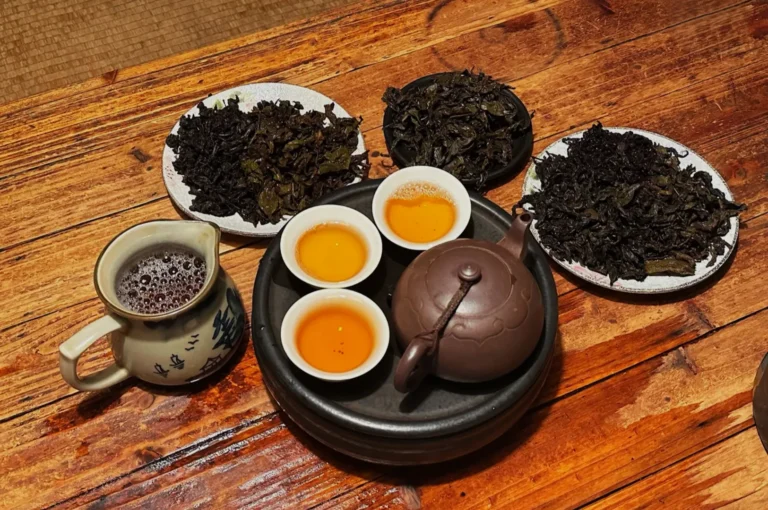
Soft light changes how the liquor is seen. A modest table changes how the eye moves. A clear surface creates calm before the tea even arrives. If the room is crowded, bright, noisy, or cluttered, the tea has to compete before it is tasted. If the setting is composed, the cup arrives into readiness.
This is one reason a Chinese tea experience Singapore drinkers remember often feels less like an event and more like a sanctuary. Nothing dramatic has to happen. The vessels are placed with care. The light is not harsh. The table is not overloaded. There is enough empty space for the tea to feel central.
Atmosphere is not decoration. It is part of perception.
A quiet room makes a finer cup possible.
A Simple Way to Experience Tea Beyond Food
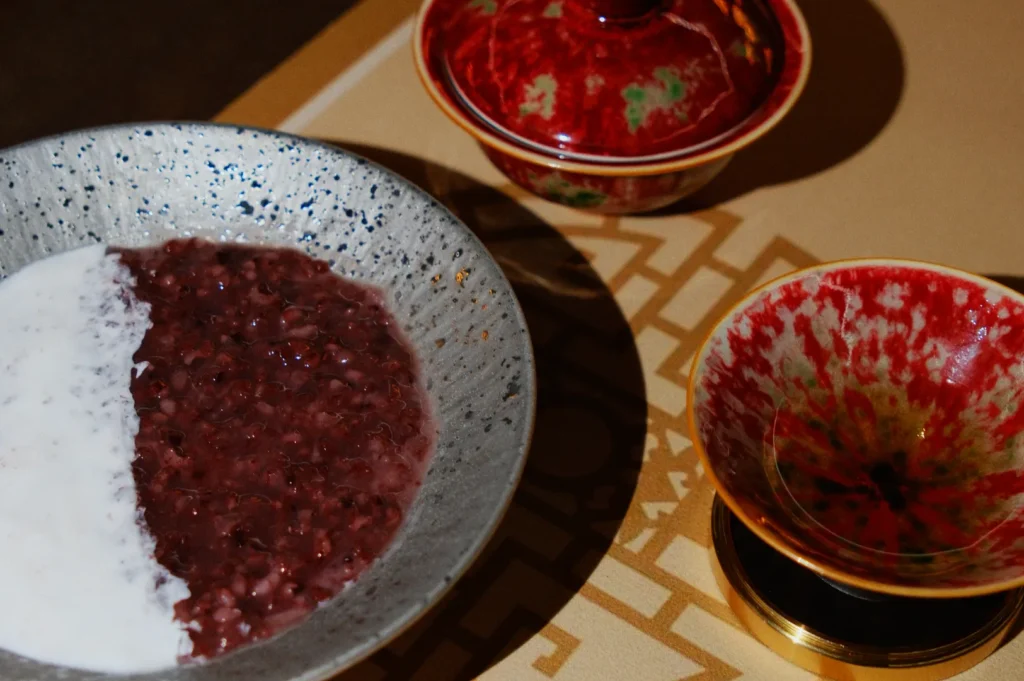
If you want to feel this kind of pairing more directly, begin by removing what is unnecessary.
Set aside the phone. Reduce clutter. Let the table become visually calm. Then allow the first tea to arrive in near-quiet, without rushing to explain or interpret it. Notice aroma first. Then texture. Then the way the finish continues once the cup is lowered.
After that, let conversation enter slowly.
Notice what changes. Does the tea become softer? More social? Less precise? More open? None of these changes are wrong. They are part of the pairing. Tea does not ask for silence at all times. It asks for enough room to be noticed honestly. Sometimes that room is silence. Sometimes it is the right kind of conversation. Sometimes it is both, moving in gentle sequence.
At Tea Room by Ki-setsu, we find that this is where many guests begin to understand tea more deeply. Not by learning more facts, but by feeling how much the room shapes the cup.
What Disrupts This Kind of Pairing
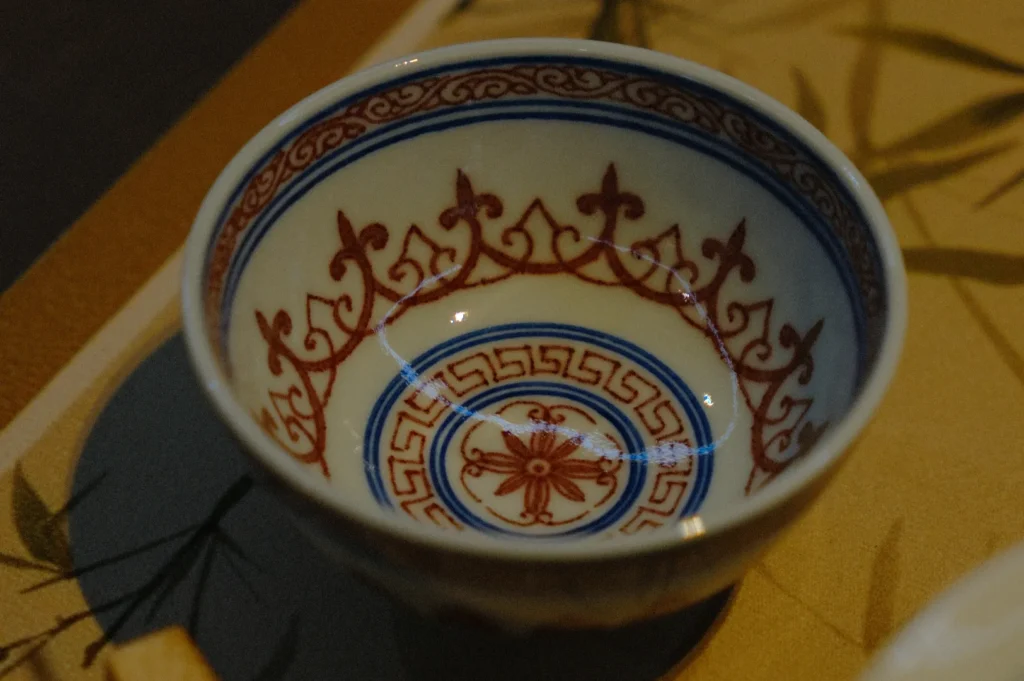
The most common disruption is not bad tea. It is noise.
Not only audible noise, though that matters, but conversational crowding, visual clutter, constant explanation, strong scent, hurried pouring, and the habit of filling every pause with more activity. A tea session weakens when the cup is treated as background rather than as the centre of attention.
Phones interrupt more than sightlines. They interrupt pace. Strong perfume or room scent interferes with aroma before the tea even rises. A host who over-explains can flatten the room just as easily as a host who neglects it altogether. And when pours come too quickly, the tea never has a chance to gather.
The disruption is rarely dramatic. It is cumulative. It makes the tea harder to hear.
Sometimes the Finest Pairing Is Simply the Right Kind of Room
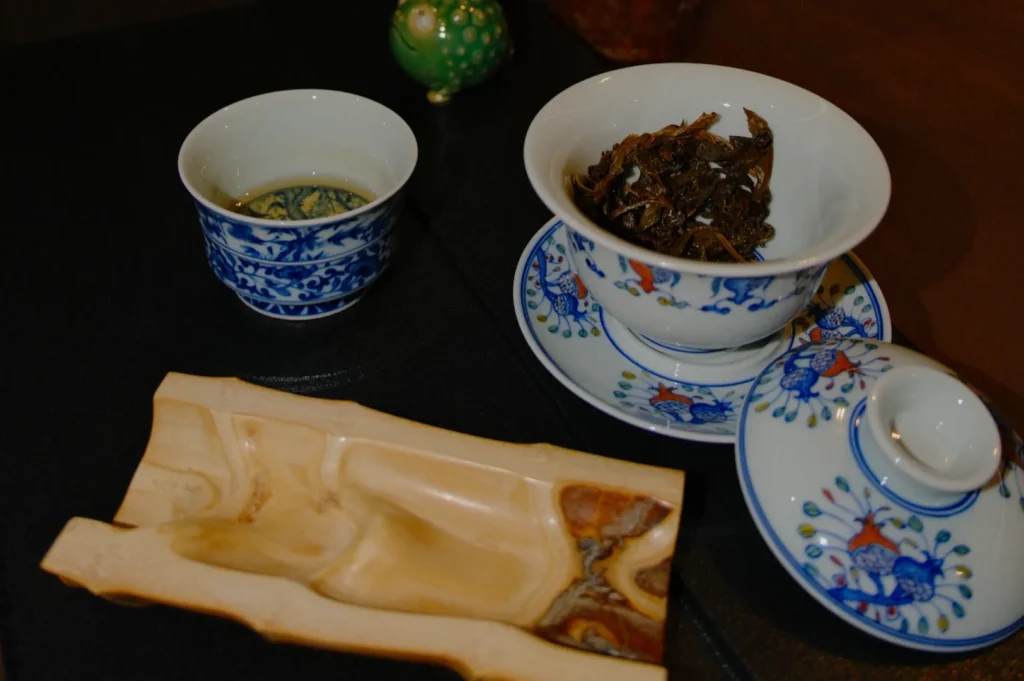
Tea has always been shaped by more than flavour.
It is shaped by pause, by trust, by rhythm, by whether the room allows attention to deepen or forces it outward. At Tea Room by Ki-setsu, we believe some of the most memorable tea experiences come not from adding more to the table, but from removing what keeps the cup from arriving fully. Silence, conversation, and tea do not compete when the room is right. They become part of the same gentle structure.